The Ultimate Moist Carrot Cake with Classic Cream Cheese Frosting
- Why This Recipe Redefines Moist Carrot Cake Perfection
- Setting the Stage: Our Quest for the Ideal Afternoon Tea Centerpiece
- Assembling the Pantry: Essential Components for Superior Baking
- The Method: Building Your Exceptionally Moist Cake Layers
- Crafting the Velvety Smooth Cream Cheese Topping
- Troubleshooting and Expert Variations for Your Next Batch
- Recipe FAQs
- 📝 Recipe Card
Why This Recipe Redefines Moist Carrot Cake Perfection
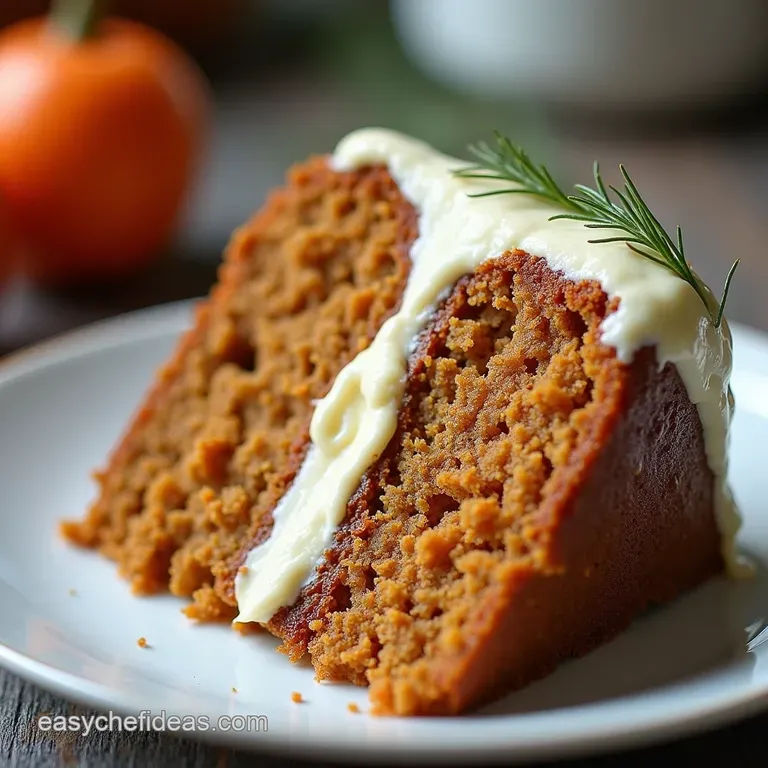
When the craving hits for a slice of spiced, comforting sweetness, nothing short of the Best Carrot Cake Recipe will do. We’re not talking about a dry, crumbly afterthought; we are aiming for that benchmark of deep, pervasive moisture that lingers delightfully on the palate.
This particular Moist Carrot Cake recipe succeeds because it treats the carrots not just as an addition, but as the foundational element for moisture retention, balancing them expertly with specific fats and sugars.
It’s robust enough to hold its own as the centerpiece of any gathering, yet so tender it melts away, making it a fantastic choice for an Afternoon Tea Carrot Cake spread.
Setting the Stage: Our Quest for the Ideal Afternoon Tea Centerpiece
The ambition behind this bake is clear: to create a slice of nostalgia elevated to professional standards. Achieving true excellence in a Homemade Carrot Cake requires respecting the chemistry involved, particularly how moisture is introduced and locked into the structure.
This undertaking moves beyond simple mixing; it becomes an exploration of texture control, ensuring every component, from the crumb to the crowning glory of the frosting, sings in perfect harmony.
The Secret to Unrivaled Texture: Beating Dryness Forever
The primary enemy of any good layer cake is dryness, and in a carrot cake, this is often due to overbaking or insufficient fat. Our foundational blueprint tackles this head-on by utilizing a dual fat approach: primarily vegetable oil for deep, lasting moisture, supplemented by a smaller measure of melted butter for richer flavour complexity.
On top of that,, we rely on finely grated carrots ideally processed using the finest side of a box grater or pulsed briefly in a food processor to integrate fully into the batter, releasing their natural sugars and moisture as they bake.
This technique ensures the final product remains exquisitely tender, setting a new standard for a genuinely Moist Carrot Cake .
Aromatic Foundations: The Essential Spice Blend You Must Use
A great carrot cake must smell as wonderful as it tastes. The aromatic depth comes entirely from the spice blend. We rely heavily on two teaspoon measures of ground cinnamon, complemented by a half teasole spoonful of nutmeg. It’s vital that these spices are fresh, as stale spices yield muted flavour.
For an extra dimension of warmth, consider integrating a small pinch of ground ginger, which provides a subtle heat that prevents the sweetness from becoming cloying, making this recipe truly unforgettable.
Why This Classic Carrot Cake Deserves a Spot on Your Menu
This recipe yields a cake that satisfies on multiple fronts. It’s deeply comforting, yet sophisticated enough for formal occasions. While often made in layers, the same batter is exceptional when adapted into Carrot Cake Muffins for a grab and-go breakfast or scaled down into Carrot Cake Cookies for a lighter treat.
Regardless of its form, the flavour profile warm spices meeting tangy frosting ensures it remains a universally loved classic.
Assembling the Pantry: Essential Components for Superior Baking
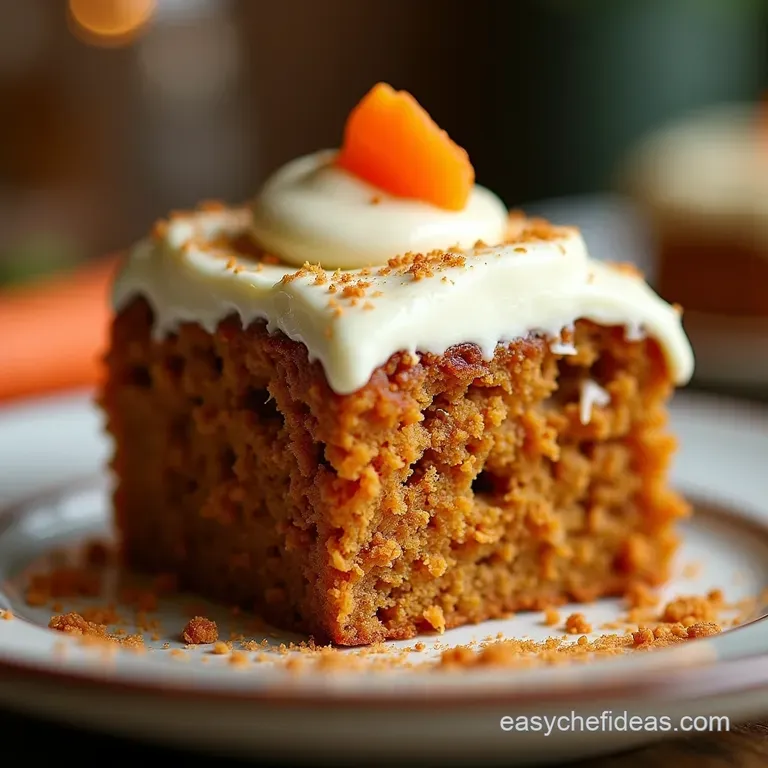
Before we commence the mixing, careful ingredient preparation is paramount. Baking is chemistry, and inaccurate preparation leads to inconsistent results. For the cake itself, ensure you have the correct quantities of both crystalline and packed sugars the brown sugar is essential, as its molasses content contributes significantly to moisture and chewiness.
Sourcing the Stars: Selecting and Prepping the Carrots
The star ingredient demands respect. For a standard two-layer 8 or 9 inch cake, aim for about three packed cups of finely grated carrot, equating to roughly 350 grams. The instruction to grate them finely is non-negotiable; large chunks will not soften adequately and can disrupt the cake’s structure.
If you find yourself with an abundance, this batter is also the base for incredible Carrot Cake Cupcakes Recipe batches, simply reduce the baking time accordingly.
The Dairy Dilemma: Choosing Fats and Flavor Enhancers
For the cake batter, the fat selection is purposeful: one cup of neutral vegetable or canola oil ensures superior moistness over butter alone. We add a quarter cup of melted, slightly cooled unsalted butter for flavour richness. When it comes to the frosting, however, we switch gears entirely.
The tang and body of the cream cheese frosting rely on full fat cream cheese and softened unsalted butter; neither should be overly warm, or the resultant frosting will weep or separate under the mixer’s agitation.
Pro Tool Kit: Utensils That Guarantee Success
While high end equipment isn't mandatory, a few items make the difference between a good cake and a great one. A sturdy electric mixer (handheld or stand) is crucial for achieving the light, velvety texture of the cream cheese topping.
You will also need two round cake pans, ideally 8 or 9 inches, lined with parchment paper circles to ensure clean release. Finally,, high-quality wire cooling racks are essential to prevent condensation from ruining the bottom crust as the cakes cool.
Related Recipes Worth Trying
- The Ultimate Old Bay Crabcakes Recipe Tender Crisp — Forget dry bready crabcakes Celebrate sweet lump crab meat baked with authentic Old Bay Seasoning Perfect crab seasoning blend for a simple seafood classic
- The Ultimate Starbucks Cake Pop Copycat Recipe Easy Pink — Ditch the queue and bake our foolproof Starbucks Cake Pop Copycat Recipe Achieve that moist truffle texture and signature crisp shell Easy assembly for the...
- Best Starbucks Copycat Birthday Cake Pops Recipe — Whip up the Best Birthday Cake Pops at home This Starbucks Copycat Recipe delivers the moist cake centre and sweet coating you crave Get the foolproof method
The Method: Building Your Exceptionally Moist Cake Layers
The process of building this cake batter adheres to the classic "dry into wet" methodology, but with critical considerations for gluten control. Begin by whisking together your dry goods flour, baking soda, cinnamon, nutmeg, and salt in a large bowl.
In a separate bowl, vigorously whisk the granulated and brown sugars with the oil, melted butter, and vanilla until smooth.
Next comes the crucial egg incorporation. Add the four large eggs one-by-one, beating well after each addition to emulsify the fats slightly before adding the next. Once this emulsion is stable, you gradually introduce the dry mixture. Mix on the lowest speed only until the streaks of flour have just disappeared.
This gentle handling prevents the development of excess gluten, which is the primary cause of a tough crumb, maintaining the tenderness required for the Best Carrot Cake Recipe .
Finally, fold in the three cups of finely grated carrots and any optional nuts using a rubber spatula, ensuring they are evenly dispersed before transferring the batter to your prepared pans.
Crafting the Velvety Smooth Cream Cheese Topping
The frosting is where the cake’s character is often cemented. A superb cream cheese frosting requires patience and temperature awareness. The 16 ounces of cream cheese and the half cup of butter must both be truly softened yielding to gentle pressure but not greasy or melted.
Mixing Mastery: Avoiding Overdevelopment of Gluten
When making the frosting, always start by creaming the softened cream cheese and butter together until they are flawlessly smooth and lump free. Only then should you begin adding the approximately four cups of sifted powdered sugar gradually, keeping the mixer speed low to prevent a sugar cloud eruption!
Once incorporated, add the vanilla and a tablespoon of fresh lemon juice this acid cuts the richness perfectly and then whip on medium high until the frosting is fluffy and voluminous.
Baking Dynamics: Achieving an Even Rise and Golden Crust
Preheat your oven to 350° F ( 175° C). Bake the layers for 30 to 40 minutes. The test for readiness is key: insert a thin wooden skewer into the centre; it should emerge with only moist crumbs clinging to it, not wet batter.
A perfectly baked cake will exhibit a slightly domed top and a beautifully golden brown edge.
The Crucial Chill Factor: Preparing Cakes for Frosting Application
Rushing the cooling process is a fatal flaw. Let the cakes rest in their pans for about 15 minutes. This allows the structure to firm up slightly, preventing breakage upon inversion.
Once inverted onto wire racks, they must cool completely —ideally to room temperature, or even slightly chilled before frosting. Frosting warm cake guarantees a melted, sliding disaster.
Piping Perfection: Techniques for a Professional Finish
Once cool, level any significant domes on your layers using a long serrated knife. Place the first layer down, spread a generous, even layer of the cream cheese topping, and top with the second layer.
Apply a thin 'crumb coat' first a whisper of frosting that seals in any loose crumbs and chill for 20 minutes. Once this base layer is set, apply the final, thick layer, smoothing the sides with an offset spatula for a clean, polished look worthy of any bakery counter.
Troubleshooting and Expert Variations for Your Next Batch
Even expert bakers encounter minor setbacks. If your cake seems to be sinking in the middle, it usually points to underbaking or a leavening agent that has lost its potency. Conversely, if the edges are tough, you likely overmixed the batter.
Flavor Twists: Incorporating Nuts, Raisins, or Pineapple
While our base recipe sings with walnuts, customization is encouraged. For a sweeter profile, consider adding a cup of raisins soaked briefly in hot water, drained, and patted dry before folding in.
Alternatively, to elevate this into a tropical slice, incorporating a half cup of well drained, crushed Carrot Cake with Pineapple into the batter along with a teaspoon of ground ginger provides an unbeatable tang.
Altitude Adjustments: Making This Recipe Work Anywhere
Baking at high altitudes requires specific adjustments to compensate for lower atmospheric pressure, which causes cakes to rise too quickly and dry out. If baking above 3,500 feet, slightly decrease the baking soda by a quarter teaspoon and increase liquids (like milk or water) by 1 to 2 tablespoons.
A slightly lower oven temperature, perhaps reduced by 15° F, can also aid in a more controlled bake.
make-ahead Marvels: Freezing Cake Components Successfully
This cake freezes beautifully, making it ideal for advance preparation. Once the layers are completely cooled, wrap each tightly in plastic wrap, followed by a layer of foil, and freeze for up to three months.
The cream cheese frosting can also be frozen; thaw it overnight in the refrigerator and then gently beat it for a few minutes to restore its fluffy texture before using it on cooled cakes.
Nutritional Snapshot: Understanding the Carrot Cake Components
While undeniably decadent, understanding what contributes to the final tally helps manage indulgence. The majority of the calories and fat originate from the generous application of oil in the batter and the high butter/cream cheese content in the topping.
However, the carrot base does contribute valuable fibre and Vitamin A, offering a small nod to vegetable inclusion amidst the sweetness!
Recipe FAQs
Why is my Carrot Cake coming out dry, even with all that oil?
Ah, the dreaded dry crumb! This usually boils down to one of two culprits: either you’ve overbaked it slightly, or you overworked the batter after adding the flour. Remember, mix the flour in just until you can’t see streaks anymore we aren't making bread!
Check the cake 5 minutes before the recipe suggests, as a toothpick should come out with a few moist crumbs, not completely clean.
How finely should I grate the carrots for the best texture?
For the ultimate moist result, you want the carrots as fine as possible think box grater's finest side or a food processor pulse setting. Finely grated carrots virtually disappear into the batter, releasing maximum moisture during baking without leaving those hard, unpleasantly crunchy bits.
They essentially 'melt' into the cake!
Can I make this Carrot Cake ahead of time, and how should I store it?
Absolutely, like most good things, this cake improves with a little rest! You can bake and cool the layers a day ahead and store them tightly wrapped at room temperature. However, once frosted with the cream cheese topping, it must be stored in the fridge, ideally for no more than 3 4 days, as that cream cheese is quite perishable.
My cream cheese frosting always ends up runny what’s the trick to keeping it stiff?
That’s often a temperature issue; if your cream cheese or butter is too warm, the frosting will weep. Make sure both are truly softened to room temperature but still cool to the touch, and definitely don't skip sifting the icing sugar!
Sifting prevents hard lumps and means you don't have to overmix to smooth it out, keeping it light and airy.
I don't like walnuts; what’s a good substitute for the nuts in this Carrot Cake recipe?
No problem at all; not everyone fancies nuts in their sponge! Pecans are a classic swap and offer a slightly different buttery flavour profile. Alternatively, try adding half a cup of shredded coconut for a slightly tropical chewiness, or even some finely chopped crystallized ginger if you like an extra spicy kick.
Can I turn this recipe into Carrot Cake cupcakes instead?
Yes, that’s a doddle! Cupcakes are perfect for picnics or dividing up at the office. Simply fill your lined cupcake tins about two-thirds full and reduce the baking time significantly they usually take between 18 and 22 minutes at the same temperature. They'll frost up just as beautifully!
Moist Carrot Cake Recipe
Ingredients:
Instructions:
Nutrition Facts:
| Calories | 974 kcal |
|---|---|
| Protein | 2.7 g |
| Fat | 33.6 g |
| Carbs | 45.5 g |
| Fiber | 6.4 g |
| Sodium | 2341 mg |
