Fruit Tart Cake
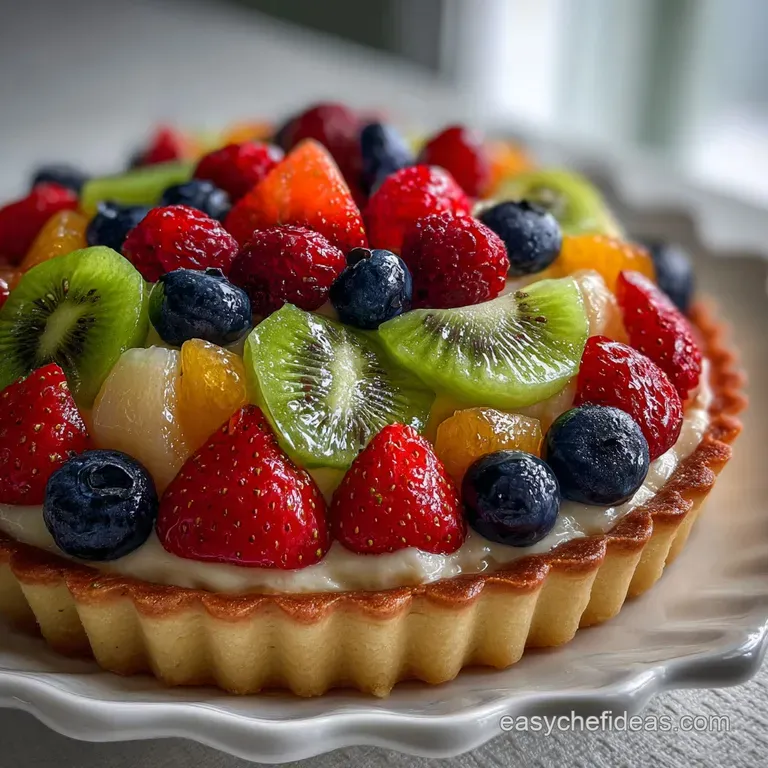
- Time: Active 45 minutes, Passive 25 minutes, Total 1 hour 10 minutes
- Flavor/Texture Hook: Shatteringly crisp crust meets velvety vanilla cream
- Perfect for: Garden parties, summer celebrations, or an artful Sunday brunch
- Creating the Ultimate Seasonal Fruit Tart Cake
- The Physics of the Shatter
- Molecular Magic in the Kitchen
- Essential Timing and Yield Stats
- Sourcing the Finest Seasonal Ingredients
- Tools for Professional Results
- Crafting Your Fruit Tart Cake
- Solving Common Pastry Cream Struggles
- Inspiring Seasonal Flavor Twists
- Scaling the Recipe for Crowds
- Debunking Pastry Myths
- Preservation and Zero Waste Tips
- Elevating Your Final Presentation
- Recipe FAQs
- 📝 Recipe Card
Creating the Ultimate Seasonal Fruit Tart Cake
I remember the first time I brought a Fruit Tart Cake to a friend's midsummer bridal shower. I had spent hours obsessing over the arrangement of the kiwis and raspberries, only to realize the humidity was turning my beautiful crust into a soggy sponge.
I arrived with a weeping mess of cream and fruit that looked more like a fruit soup than a dessert. It was a humbling moment, but it taught me everything about the importance of the lipid barrier and proper chilling times.
Now, whenever I hear the distinct "clink" of a fork hitting a perfectly baked shell, I think of that afternoon. This recipe is the result of years of perfecting the balance between a crust that shatters on impact and a pastry cream that is stable enough to hold the weight of a mountain of berries without sagging.
We're going for that mouthwatering contrast between the cold, tangy fruit and the rich, buttery base.
Trust me, once you see the sunlight hitting the apricot glaze on your finished Fruit Tart Cake, you will never go back to store-bought. It’s not just about the taste; it’s the photography ready shine and the architectural integrity of each slice.
This is a showstopper that feels like a triumph every single time you pull it out of the fridge.
The Physics of the Shatter
Lipid Coating: Rubbing chilled butter into the flour coats the gluten proteins in fat, which limits gluten development and ensures a crumbly, melt in-the mouth texture.
Starch Gelatinization: Cooking the cornstarch and egg yolks to exactly 165°F allows the starch molecules to swell and burst, creating a thickened network that holds its shape when sliced.
| Method | Time | Texture | Best For |
|---|---|---|---|
| Classic Chilled | 1 hour 10 mins | Crisp and structured | High end presentation |
| Deconstructed | 40 minutes | Crumbly and soft | Quick family dessert |
| Mini Tarts | 55 minutes | Firm and bite sized | Party appetizers |
Choosing between the classic method and a faster version usually comes down to how much you care about the clean slice. The classic method relies on a solid 2 hour chill for the pastry cream to fully set its molecular bonds.
If you try to rush it, the cream will "weep" liquid as soon as the fruit is added, especially if you're using high moisture berries.
Molecular Magic in the Kitchen
Understanding your ingredients is the difference between a good tart and a legendary one. For example, using European style butter isn't just a fancy choice; it has a higher fat to water ratio, which means less steam is created in the oven, leading to a denser, more "short" crust that won't shrink as much.
| Component | Science Role | Pro Secret |
|---|---|---|
| Cornstarch | Thickening agent | Whisk with sugar first to prevent clumping. |
| Egg Yolks | Emulsification | Adds lecithin for a silky, non rubbery mouthfeel. |
| Vanilla Bean Paste | Flavor carrier | The alcohol base helps disperse oils throughout the fat. |
| Apricot Preserves | Moisture barrier | Seals the fruit to prevent oxidation and browning. |
The texture of this crust reminds me of the technique used in the Buttery Homemade Strawberry recipe. Both rely on keeping that butter cold until the very second it hits the heat of the oven.
Essential Timing and Yield Stats
This recipe is designed to serve a group, making it a staple for your seasonal baking rotation.
- Yield: 10 servings
- Prep time: 45 minutes
- Cook time: 25 minutes
- Oven Temp: 375°F (190°C)
- Pastry Cream Finish Temp: 165°F (74°C)
Sourcing the Finest Seasonal Ingredients
For the best Fruit Tart Cake, you need to be picky about your produce. If it doesn't smell like a strawberry patch in July, it’s not ready for your tart.
- 1.5 cups (190g) All purpose flour: The structure of our shell.
- 0.5 cup (115g) Unsalted European style butter: Chilled and cubed for maximum flakiness. Why this? Higher fat content creates a more tender, professional grade crust.
- 0.5 cup (60g) Powdered sugar: Keeps the crust delicate.
- 1 large egg yolk (17g): Binds the dough without making it tough.
- 0.25 tsp Fine sea salt: Balances the sugar.
- 1 tbsp Heavy cream: Adds a touch of moisture and richness.
- 2 cups (480ml) Whole milk: The base for our velvety custard.
- 0.5 cup (100g) Granulated sugar: Sweetens the pastry cream.
- 4 large egg yolks (68g): Provides the rich, yellow hue and stability.
- 0.25 cup (30g) Cornstarch: Our primary thickening agent.
- 2 tsp Vanilla bean paste: For those beautiful black specks and deep aroma.
- 2 tbsp (28g) Unsalted butter: Whisked in at the end for shine.
- Assorted Fruit: 1 cup strawberries, 0.5 cup blueberries, 0.5 cup raspberries, 2 kiwis.
- 0.25 cup Apricot preserves: The secret to that professional shine.
- 1 tbsp Water: To thin the glaze.
| Original Ingredient | Substitute | Why It Works |
|---|---|---|
| Heavy Cream | Whole Milk | Slightly less rich but still binds the dough well. |
| Vanilla Bean Paste | Vanilla Extract | Same flavor profile but loses the visual bean specks. |
| Apricot Preserves | Apple Jelly | Neutral sweetness and provides a similar high gloss finish. |
If you're looking for a different style of cake that still celebrates berries, you might want to see the How to Bake recipe for a taller, more rustic layer cake.
Tools for Professional Results
You don't need a bakery full of equipment, but a few specific tools make a massive difference in the final look of your Fruit Tart Cake.
- 9 inch Tart Pan: Ideally with a removable bottom so you can display the fluted edges.
- Fine mesh Sieve: Crucial for straining the pastry cream to ensure a silky texture.
- Pastry Brush: For applying the apricot glaze without bruising the fruit.
- Pie Weights: Or dried beans, to prevent the crust from bubbling up during par baking.
Crafting Your Fruit Tart Cake
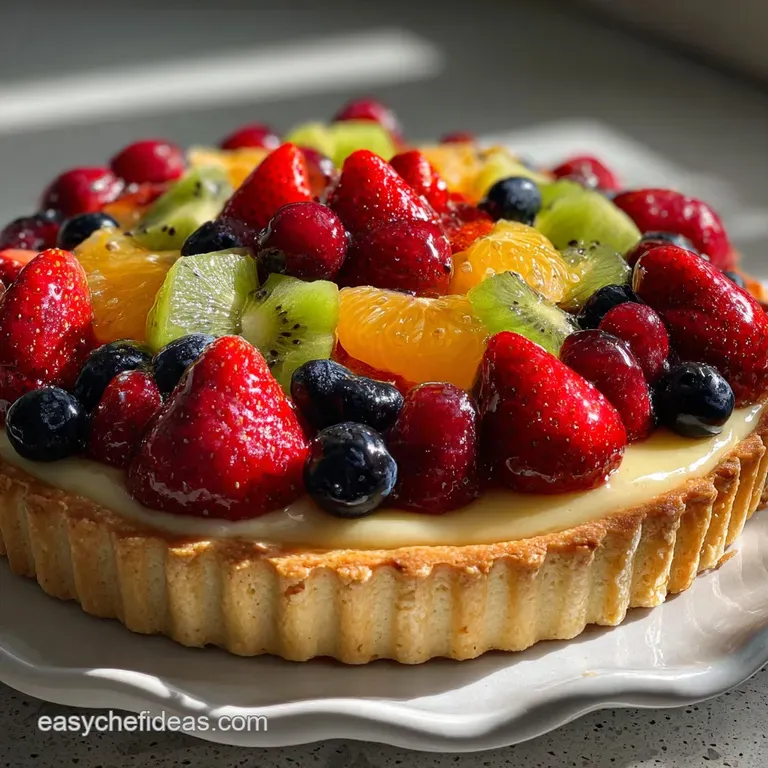
Phase 1: Sculpting the Crust
- Pulse flour, powdered sugar, and salt in a food processor until combined.
- Add 0.5 cup chilled, cubed butter. Pulse until the mixture looks like coarse sand with pea sized lumps.
- Whisk 1 egg yolk and 1 tbsp heavy cream together, then pour into the processor.
- Process until the dough just begins to clump together. Don't overmix!
- Press the dough into a 9 inch tart pan, ensuring an even layer on the bottom and sides.
- Freeze the crust for 15 minutes. This prevents shrinking.
- Bake at 375°F for 20 minutes until golden and firm, using pie weights for the first 12 minutes.
- Cool the shell completely on a wire rack before filling.
Phase 2: Tempering the Custard
- Simmer 2 cups milk in a saucepan until small bubbles form around the edges.
- Whisk 4 egg yolks, 0.5 cup granulated sugar, and 0.25 cup cornstarch in a separate bowl until pale.
- Slowly pour half of the warm milk into the egg mixture, whisking constantly. Note: This prevents the eggs from scrambling.
- Return the entire mixture to the saucepan and cook over medium heat.
- Whisk vigorously for 2 minutes until thick and glossy. It must reach 165°F to set.
- Remove from heat and stir in 2 tsp vanilla bean paste and 2 tbsp room temperature butter.
- Strain through a fine mesh sieve into a bowl and cover with plastic wrap (touching the surface).
- Chill for at least 2 hours until cold and firm.
Phase 3: Assembly and Glazing
- Spread the chilled pastry cream into the cooled tart shell in an even layer.
- Arrange strawberries, blueberries, raspberries, and kiwi slices in concentric circles.
- Heat 0.25 cup apricot preserves and 1 tbsp water in a microwave for 20 seconds.
- Brush the warm glaze gently over the fruit until shimmering and bright.
Chef's Note: If your fruit is particularly wet, pat it dry with a paper towel before placing it on the cream. This prevents the colors from bleeding into the white custard.
Solving Common Pastry Cream Struggles
Even experienced bakers run into trouble with custards. The key is understanding that heat and agitation are your two main variables.
Why the Crust Shrinks
Shrinkage happens when the gluten is overworked or the fat melts before the structure sets. If you find your tart walls collapsing, you likely skipped the freezing step or handled the dough too much with warm hands.
Lumpy Pastry Cream Fixes
Lumps occur when the egg mixture isn't whisked enough before adding the milk, or if the heat is too high. If it happens, don't panic. Straining the hot cream through a sieve usually saves the day.
Sliding Fruit Prevention
If your fruit is sliding off the tart, your glaze might be too thick, or the fruit wasn't dried properly. Ensure the glaze is liquid enough to flow into the crevices between the berries, acting like a natural glue.
| Problem | Root Cause | Solution |
|---|---|---|
| Soggy Bottom | Moisture migration | Brush the baked crust with a thin layer of melted white chocolate before filling. |
| Rubbery Cream | Overcooked eggs | Remove from heat the second it thickens and starts to "burp" bubbles. |
| Dull Fruit | No glaze | Use the apricot glaze method to seal in moisture and add shine. |
Common Mistakes Checklist
- ✓ Never skip the 15 minute freeze for the crust; it's the only way to keep those fluted edges sharp.
- ✓ Use room temperature butter for the final whisk into the pastry cream; cold butter won't emulsify properly.
- ✓ Don't let the pastry cream sit uncovered in the fridge; a "skin" will form that ruins the velvety texture.
- ✓ Only glaze the fruit right before serving if you want the maximum "shatter" in the crust.
- ✓ Ensure your cornstarch is fresh; old starch loses its thickening power.
Inspiring Seasonal Flavor Twists
Tropical Mini Variation
For a summer twist, swap the vanilla bean paste for coconut extract in the cream. Use mango, pineapple, and toasted coconut flakes for the topping. These work beautifully as mini fruit tart cake bites for parties.
Chocolate Hazelnut Twist
Brush the bottom of the tart shell with a thin layer of Nutella before adding the pastry cream. Top with toasted hazelnuts and raspberries for a richer, more decadent version of the fruit tart cake recipe.
Scaling the Recipe for Crowds
If you're hosting a massive event, scaling a tart requires some math.
- To Double (2x): You will need two 9 inch tart pans. For the pastry cream, use 1.5x the vanilla and spices to avoid overpowering the palate. Cook times will remain similar, but you must work in batches for the crust to ensure even browning.
- To Half (1/2): Use a 6 inch tart pan. Beat the egg yolk for the crust, then use exactly half by weight. Reduce the bake time by about 5 minutes.
- Baking at Scale: If making four or more, lower the oven temp by 25°F and rotate the pans halfway through to ensure every edge is equally golden.
| Servings | Pan Size | Ingredient Adjustment | Total Prep Time |
|---|---|---|---|
| 5 people | 6 inch | Half recipe (use 0.5 egg yolk) | 1 hour |
| 10 people | 9 inch | Standard recipe | 1 hour 10 mins |
| 20 people | Two 9 inch | Double recipe (1.5x spices) | 1 hour 45 mins |
Debunking Pastry Myths
"Sifting sugar prevents lumps in the custard." This is actually false. While sifting helps with dry cakes, the lumps in pastry cream are caused by unevenly cooked egg proteins or un hydrated cornstarch. Thorough whisking during the tempering process is far more effective.
"You can't boil pastry cream." Actually, you must let it reach a simmer. Cornstarch contains an enzyme called alpha amylase that can break down the starch over time, turning your firm cream into a liquid mess in the fridge. Boiling it for 1 minute neutralizes this enzyme.
Preservation and Zero Waste Tips
Storage: This Fruit Tart Cake is best eaten the day it's made. However, you can store leftovers in the fridge for up to 2 days. The crust will lose its "shatter" but the flavors will remain vibrant.
Freezing: You can freeze the unbaked tart dough for up to 3 months. I don't recommend freezing the assembled tart, as the custard will break and become grainy upon thawing.
Zero Waste: Don't toss those strawberry hulls or kiwi peels! Simmer them with a bit of sugar and water to create a fruit syrup for cocktails or sparkling water. If you have leftover pastry cream, it's incredible spread on a warm slice of brioche for breakfast.
Elevating Your Final Presentation
The difference between a home baked tart and a professional one is all in the "polished" and "restaurant" levels of plating.
| Level | Technique | Visual Result |
|---|---|---|
| Simple | Rustic heap of mixed berries | Home style comfort |
| Polished | Concentric circles of sliced fruit | Classic French Patisserie |
| Restaurant | Micro mint leaves and gold leaf accents | High end luxury |
Simple Presentation
For a relaxed look, simply toss your berries with a little lemon zest and pile them into the center of the cream. Let them fall naturally. It looks effortless and emphasizes the abundance of the season.
Polished Presentation
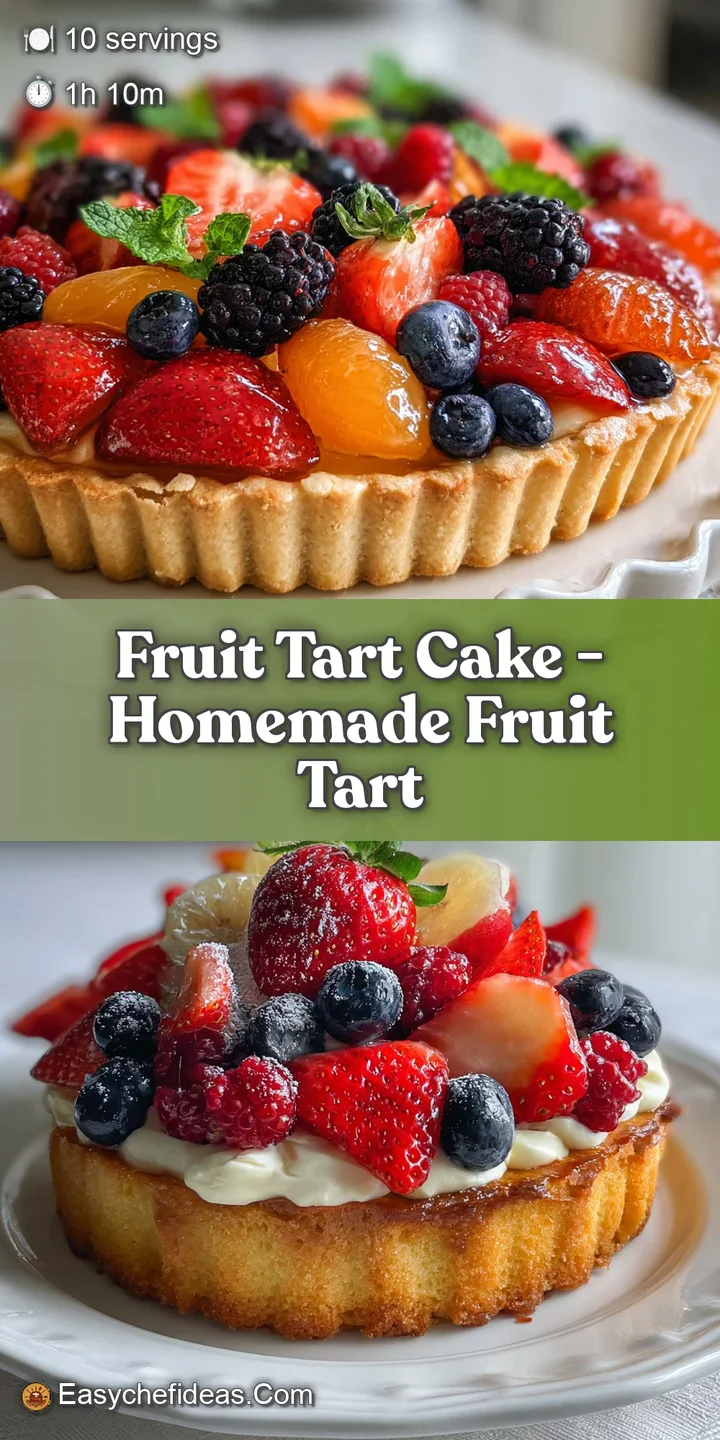
This is the classic look. Start from the outside with strawberry halves, then a ring of kiwi, then raspberries, and a cluster of blueberries in the dead center. This symmetry is what makes people gasp when you bring it to the table.
Restaurant Presentation
Take your polished tart and add tiny sprigs of fresh mint or even edible pansies. If you’re feeling bold, use a vegetable peeler to create long "ribbons" of mango or papaya to weave through the berries. This adds height and architectural interest that makes the dish look like a work of art.
Decision Shortcut If you want a crisp crust, bake it until it's a deep "sandy" brown, not just pale yellow. If you want a sturdier cream, increase the cornstarch by 1 tsp.
If you want vibrant fruit, glaze it twice once immediately and once right before serving.
With these tricks, your best fruit tart cake will be the star of every gathering. The contrast of the velvety cream against the snap of the crust is a sensory experience you won't soon forget. Get your camera ready, because this one is built for the spotlight!
Recipe FAQs
What exactly is a fruit tart cake?
It's a hybrid dessert. It combines the delicate, crisp crust of a tart with the rich, creamy filling often found in cakes, then it's topped with fresh, vibrant fruits.
What kind of filling is used in a fruit tart?
Typically a rich pastry cream. This is made from milk, egg yolks, sugar, and cornstarch, creating a silky, stable custard. Sometimes a lighter cream cheese or whipped cream filling is used.
Is fruit tart healthier than cake?
Generally, yes, but it depends on preparation. The abundance of fresh fruit offers vitamins and fiber, while the pastry cream and crust often contain less butter and sugar than traditional cakes, making it a lighter choice.
What's the difference between a pie cake and a tart?
Crust and filling are key differentiators. A pie typically has a bottom and top crust, or a single crust with a softer filling. A tart has a flaky crust baked in a shallow pan, often with fluted edges, and usually features a smooth, rich filling topped with decorative elements.
Can I use frozen fruit for my fruit tart cake?
No, stick with fresh for best results. Frozen berries release excess moisture as they thaw, which can make your pastry cream watery and affect the crust's crispness.
How do I prevent my tart crust from shrinking?
Chill the dough thoroughly before baking. Freezing the prepared tart shell for at least 15 minutes helps the fat solidify, preventing it from melting too quickly in the oven and causing shrinkage.
How do I get that professional shine on my fruit tart cake?
Apply a fruit glaze. Gently heating apricot preserves with a little water creates a beautiful, glossy finish that also helps seal the fruit and prevent browning, much like the glazing technique used for the Aunties Approved Easy Christmas Cake Recipe Classic.
Fruit Tart Cake
Ingredients:
Instructions:
Nutrition Facts:
| Calories | 347 kcal |
|---|---|
| Protein | 4.8g |
| Fat | 15.7g |
| Carbs | 41.2g |
| Fiber | 2.1g |
| Sugar | 24.8g |
| Sodium | 78mg |
