Dark Chocolate Peanut Butter Bark: Easy Recipe for the Salted Chippy Treat
- Decoding the Crave: The Ultimate Dark Chocolate Peanut Butter Bark
- Mastering the Contrast: Why This Flavor Combination is Irresistible
- Essential Ingredients for Your Decadent Bark
- How to Make Seriously Simple Dark Chocolate Peanut Butter Bark
- Troubleshooting Your Bark: Chef's Tips and Avoiding Common Mistakes
- Storage and Longevity Guide
- Elegant Serving Suggestions for the Dark Chocolate Peanut Butter Treat
- Recipe FAQs
- 📝 Recipe Card
Decoding the Crave: The Ultimate Dark Chocolate Peanut Butter Bark
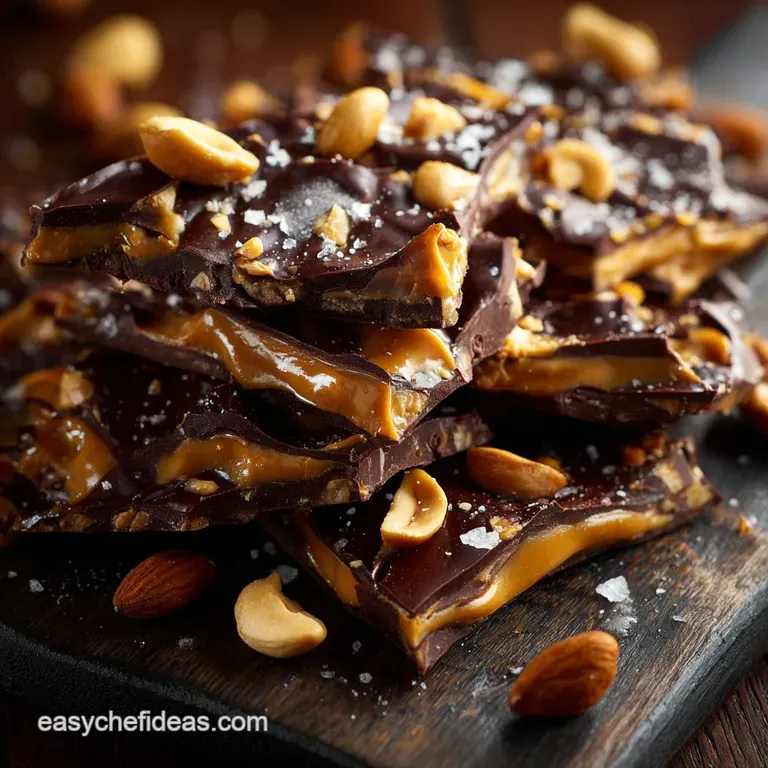
When that deep, demanding craving hits you know the one that needs something dark, salty, and incredibly rich this bark is your emergency plan. It smells like a sophisticated candy bar melting on the counter, but the texture is the real star: a shattering snap of intense dark chocolate followed by the dense, creamy chew of salty peanut butter fudge.
Seriously, the contrast between that slightly bitter cocoa and the roasted, sweet peanuts is absolute magic.
I call this my "kitchen crisis" solution because it requires zero baking, costs next to nothing to pull together, and takes about 15 minutes of actual work time.
It's the perfect treat when you need to bring something impressive to a dinner party but you literally have five spare minutes before you need to shower. Plus, making bark is way less messy than attempting something like a delicate peanut butter frosting.
Forget those overly complicated chocolate recipes that demand precise tempering and expensive tools; we are doing this the lazy, brilliant way. I’ve refined this technique over years of midnight snack emergencies, and I promise you, these simple steps deliver a bark that rivals anything you’d buy at a fancy chocolatier.
Let's crack on and talk about the secrets to that perfect snap.
Mastering the Contrast: Why This Flavor Combination is Irresistible
What Makes This Bark "Seriously Simple"?
The simplicity comes down to the no-bake structure. We are using the refrigerator, not the oven, to create structural integrity. By carefully setting the two layers a slightly thinner, crisp dark chocolate base and a thick, fudgy peanut butter layer we ensure maximum flavor with minimum effort.
You don't need to be a pastry chef for this. You just need patience while it chills.
A Look at the Perfect Texture Ratio
The brilliance of bark is its snap . If the chocolate layer is too thick, it’s like chewing cement; if it’s too thin, it melts immediately and loses its character. We aim for a ratio where the chocolate provides that satisfying, loud crunch, and the peanut butter layer adds density and chew.
This balance makes it feel substantial, even though it’s technically just a little shard of candy.
The Quick History of Refrigerator Barks
I love refrigerator barks because they are so democratic; everyone can make them. They were born out of necessity a way for home cooks to use up leftover chocolate or candy bits without turning on the oven.
I've messed around with all kinds of bark, but this specific dark chocolate peanut butter pairing is the queen of quick, high impact treats, echoing that classic American candy bar flavor profile.
The Magic of Bittersweet Dark Chocolate (70% Minimum)
Do not skimp on the chocolate quality here. Using a 70% minimum cacao dark chocolate is absolutely non-negotiable . The bittersweet intensity is required to cut through the richness and sweetness of the peanut butter layer.
If you use milk chocolate, the whole thing tastes cloyingly sweet, like cheap Halloween candy.
Achieving the Perfect Snap and Creamy Layer
The secret to a good snap is adding a tiny bit of fat to your chocolate. A teaspoon of coconut oil or butter makes the melted chocolate thinner and helps it set harder and glossier. Crucially, the peanut butter layer needs stability, which is why we add sifted powdered sugar. It thickens the peanut butter into a malleable dough that stays firm, avoiding the weeping oily texture you sometimes get, similar to how we achieved that gorgeous firmness in my Skinny NoBake Peanut Butter Pie: Easy, Low-Calorie Dessert Recipe .
The Essential Role of Flaky Sea Salt
Seriously, if you only take one piece of advice from me today, let it be this: Do not skip the flaky sea salt garnish. The textural burst of Maldon salt against the smooth, dark chocolate is what elevates this bark into something truly gourmet.
It's that beautiful sweet salty crunch, much like the perfect crispy edges you get on roasted veggies.
Essential Ingredients for Your Decadent Bark
Choosing the Right Dark Chocolate Quality (For Melting)
Look for high-quality baking bars or large feves (discs). Chips often contain stabilizers that prevent them from melting into a perfectly smooth, glossy pool. If you are using chips, ensure they are high-quality and chop them finely first.
Natural vs. Stabilized Peanut Butter: Which is Best?
Use stabilized, conventional peanut butter (like Jif or Skippy) for this recipe. Natural peanut butter (the kind that separates into oil and solids) has too much free oil.
When you mix the powdered sugar into it, it doesn't form a firm, structural compound; it becomes greasy and refuses to set properly, often leading to separation in the final bark.
Simple Swaps and Dietary Modifications (Vegan/Keto)
This recipe is naturally vegetarian, and if you use coconut oil instead of butter, it's easily vegan! For a keto friendly version, swap the powdered sugar for a powdered erythritol or monk fruit sweetener blend.
Make sure to taste the peanut butter layer, as these alternative sweeteners can sometimes have a different intensity.
Do You Need Coconut Oil in the Peanut Butter Layer?
Absolutely not. We already have enough fat in the peanut butter and the chocolate itself. Adding extra oil to the peanut butter layer just makes it sloppy and harder to spread without dragging up the chocolate base.
The small amount of coconut oil is reserved only for the dark chocolate to aid in the snap.
| Ingredient | Substitution Tip | Dietary Note |
|---|---|---|
| Dark Chocolate (70%+) | high-quality semi sweet chips (reduce sugar slightly) | Use vegan chips for vegan bark |
| Coconut Oil (for melting) | Unsalted Butter or Vegetable Shortening | Helps with the final crunch |
| Smooth Peanut Butter | Almond Butter or Cashew Butter | Must be a stabilized, thick variety |
| Powdered Sugar | Powdered Erythritol/Monk Fruit (for Keto) | Sifting is vital for smoothness |
How to Make Seriously Simple Dark Chocolate Peanut Butter Bark
Method 1: Tempering Chocolate vs. The Quick Melt
We are skipping the complicated tempering process that requires exact temperature control; honestly, who has time for that? We’re using the quick melt method. Melt your chocolate gently using a double boiler or 30 second bursts in the microwave at 50% power. Never rush it.
Stir constantly until it’s perfectly smooth and glossy.
Preparing the Seamless Peanut Butter Base
This stage is critical. You need the peanut butter, sifted powdered sugar, vanilla, and fine salt to form a stiff, thick paste. It should be almost like cookie dough consistency. If it's too loose, add a tiny bit more powdered sugar until it holds its shape.
This firmness is what lets you spread it without creating muddy brown streaks on the layer underneath.
Layering and Swirling Techniques for Visual Appeal
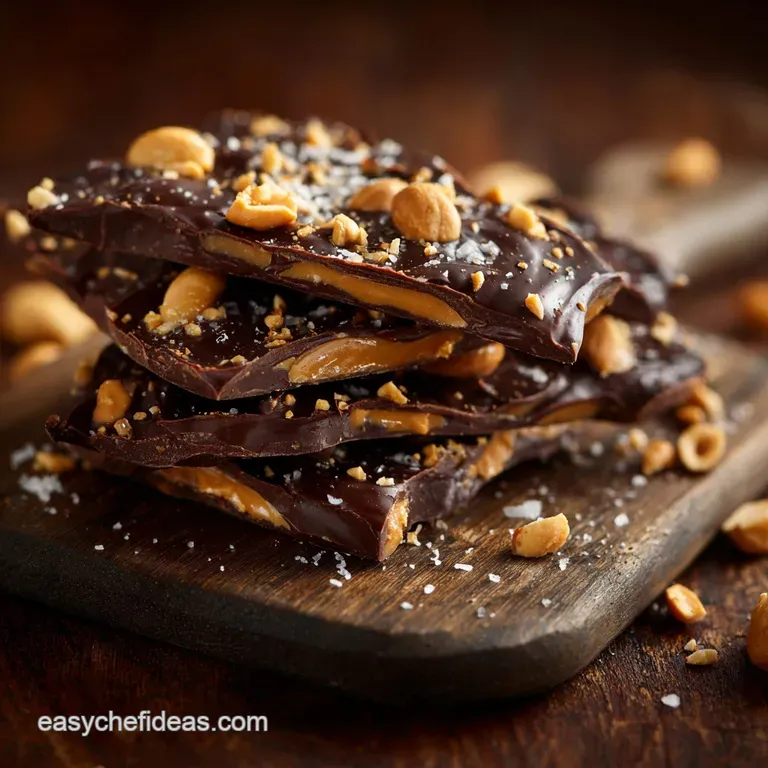
Spread the initial chocolate base thin and even, then chill it until it’s just firm to the touch (about 5- 10 minutes). When spreading the peanut butter, drop small dollops all over the surface first, then gently push the dollops together using an offset spatula.
Finally, drizzle the remaining melted chocolate and use a skewer to make slow, S-shaped motions across the tray to create that dramatic marbling effect.
Chef's Note: When swirling, think "less is more." If you over swirl, you blend the layers completely, losing the lovely contrast between the dark cocoa and the creamy peanut butter.
The Crucial Role of Rapid Chilling Time
Don’t peek! You need a minimum of 90 minutes in the refrigerator for the bark to set completely and achieve that perfect, satisfying snap. If you try to break it too early, the center will be soft and chewy, but not fully set, and the pieces won't break cleanly.
Troubleshooting Your Bark: Chef's Tips and Avoiding Common Mistakes
Why Did My Bark Crack? (And How to Prevent It)
Bark is supposed to crack when you break it, but we want controlled cracking, not a mess! The main reason for messy cracking is that the base chocolate was too thick. Spread the chocolate base layer thinly, aiming for 1/8 inch thickness.
Another reason is temperature shock if you take it straight from a freezer shelf to a warm counter, it will shatter.
Ensuring the Layers Don't Separate During Chilling
Layer separation usually happens because the initial chocolate base was completely solid before the peanut butter was applied. If the base layer is rock hard, the peanut butter won't adhere properly.
The key: Chill the base until it’s firm but still slightly tacky (5- 10 minutes). This tackiness allows the peanut butter layer to fuse properly as it sets.
The Cleanest Way to Cut and Break the Finished Bark
Once the bark is fully set, lift it out using the parchment paper overhang. Place it on a stable cutting board. You can either use a large, sharp knife to cut it into neat squares, or my preferred method: grab two edges of the paper and gently lift and tap the bark on the counter to break it into beautiful, organic, jagged shards.
This gives it that rustic, homemade feel.
Storage and Longevity Guide
Optimum Refrigerator Storage for Best Snap
Store the broken bark pieces in an airtight container between sheets of parchment paper in the refrigerator. The fridge is your friend here. Stored correctly, it will maintain its clean snap for up to two weeks, though honestly, it never lasts that long in my house!
Can You Freeze Dark Chocolate Peanut Butter Bark?
Yes, you totally can! Freezing is a great way to extend the shelf life. Wrap the whole sheet of bark (or large pieces) tightly in plastic wrap, then place it inside a zip-top freezer bag. It will keep well for up to three months.
How Long Does Homemade Bark Last?
If stored in the refrigerator, expect peak freshness (and snap) for about 10 14 days. When serving straight from the freezer, let the bark sit at room temperature for about 5 minutes before breaking or biting. It will soften just enough to be enjoyable without becoming dangerously hard.
Elegant Serving Suggestions for the Dark Chocolate Peanut Butter Treat
This bark is so beautiful on its own, but you can definitely jazz up the presentation. I love arranging the irregular shards on a clean white platter next to a rich coffee or a glass of port wine. For a fantastic textural pairing, try serving it alongside a plate of ultra crispy roasted nuts, maybe taking inspiration from the salty, smoky goodness in my Butternut Squash with Bacon and Parmesan: Ultra Crispy Roasted Side Dish .
For a dessert overhaul, crush a few pieces and use them as a decadent topping for homemade vanilla ice cream or a scoop of plain Greek yogurt if you’re trying to be slightly healthier. It's truly versatile.
Honestly, just eating it standing over the counter with a coffee in hand is a perfectly elegant serving suggestion in my book, too.
Recipe FAQs
How long does the dark chocolate peanut butter bark last, and how should I store it?
Store the bark in an airtight container in the refrigerator for up to 3 weeks for the best quality and snap. Due to the high fat content, it can also be frozen for up to 2 months; just ensure you layer the pieces with parchment paper to prevent sticking.
Why did my chocolate seize or turn grainy while I was melting it?
Chocolate seizes instantly if it comes into contact with even a tiny amount of water, steam, or liquid. Ensure all your bowls and tools are completely dry before you begin melting. If using the microwave, melt in short 30-second bursts, stirring vigorously between each session to avoid overheating.
Can I make this bark vegan or dairy-free?
Yes, this recipe is naturally very easy to make vegan! You simply need to ensure you purchase high-quality dark chocolate that is explicitly certified dairy-free, as some commercial dark chocolates contain added milk fat. The peanut butter and flaky salt components are naturally suitable for a vegan diet.
I don't like peanuts. What can I use instead of peanut butter?
You can easily substitute peanut butter with any smooth, thick nut or seed butter, such as almond butter, cashew butter, or sun butter. If the alternative butter is significantly oilier or runnier than standard peanut butter, you may want to reduce the added oil slightly to maintain the structure of the bark’s filling layer.
How can I ensure the bark breaks cleanly and has a good snap when I serve it?
For the best texture and clean break, the bark must be cooled rapidly after pouring. Place the baking sheet in the freezer for at least 30 minutes, or the refrigerator for 2 hours, until completely solid before attempting to break the pieces. Cooling at room temperature results in a much softer, chewier bark.
Why is my peanut butter layer separating or melting into the bottom chocolate layer?
Separation usually happens if the first chocolate layer is either too hot or too runny when the peanut butter mixture is applied. Ensure the bottom chocolate layer has cooled enough to feel tacky but is not fully hardened before spreading the peanut butter mixture.
This allows the layers to adhere properly without melting into each other.
What toppings or mix-ins work well with this dark chocolate and peanut butter flavor profile?
The bittersweet dark chocolate pairs beautifully with salty and crunchy additions. Consider sprinkling crushed pretzels, toasted sesame seeds, mini chocolate chips, or chopped roasted almonds on the top chocolate layer before it fully sets. A sprinkle of flaky sea salt is always mandatory for flavor enhancement.
Dark Chocolate Peanut Butter Bark Recipe
Ingredients:
Instructions:
Nutrition Facts:
| Calories | 160 calories |
|---|---|
| Fat | 13 g |
| Fiber | 1.5 g |
