Noslime Zone Southern Fried Okra Perfectly Crispy Golden
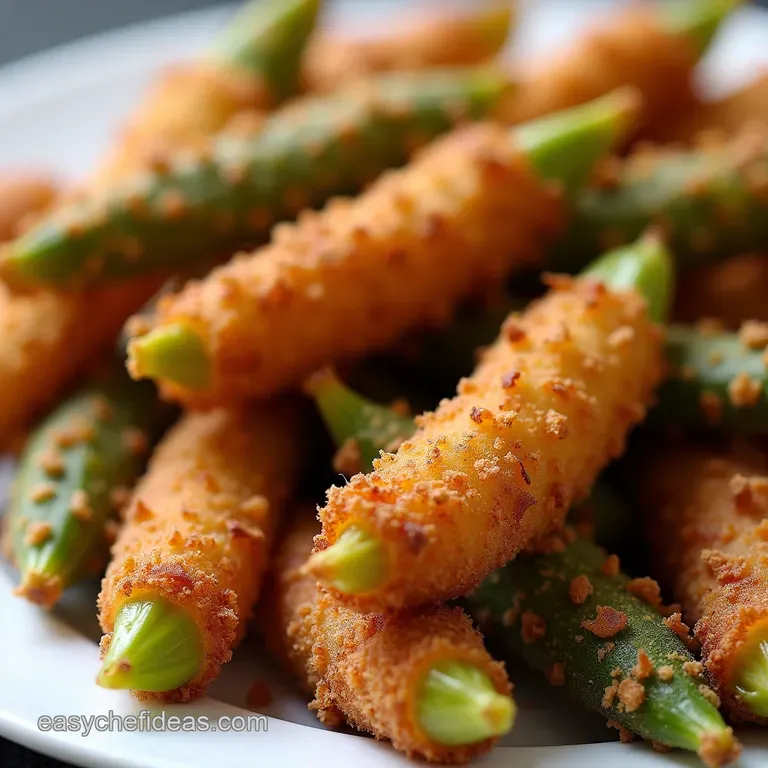
- Unveiling the Secret to Truly Tremendous Southern Fried Okra
- Why This Recipe Sidesteps the Slime Disaster
- The Essential Building Blocks for Perfect Frying
- Curating Your Crisping Coating Components
- Mastering the Technique: Step-by-Step Frying Guide
- Achieving Golden Perfection: Temperature Control Tips
- Elevating Your Dish: Variations and Pairing Suggestions
- Storage Secrets and Reheating for Next-Day Delight
- Recipe FAQs
- 📝 Recipe Card
Unveiling the Secret to Truly Tremendous Southern Fried Okra
There are few culinary experiences as deeply satisfying as sinking your teeth into a piece of perfectly prepared Southern Fried Okra . It should yield a delightful, audible crunch, followed by the melt-in-your mouth tenderness of the vegetable inside.
Yet, for many home cooks, okra carries a stigma a reputation for being slimy or mushy. I’m here to tell you that fear is unfounded when you follow the right traditional techniques.
This comprehensive guide will walk you through achieving that flawless texture, transforming this humble vegetable into a show stopping southern side dish worthy of any grand occasion. We are focusing intently on creating that ultimate crispy fried okra .
Why This Recipe Sidesteps the Slime Disaster
The key to stellar fried okra no sliminess is controlling moisture and maximizing the protective, crispy coating. We treat the okra not just as something to be coated, but as something that needs a specific preparation to counteract its natural mucilage.
By employing a buttermilk bath and a robust cornmeal dredge, we create a barrier that seals in the flavor and keeps the exterior audibly crisp.
A Love Letter to the Quintessential Southern Side Dish
Okra isn't just a vegetable; it’s a piece of culinary heritage, deeply woven into the fabric of Southern cooking. Whether it’s slow simmered in a gumbo or served as a standalone star, its earthy flavor is unmistakable.
This particular fried okra recipe celebrates that tradition while elevating the texture to what I believe is the absolute pinnacle: shatteringly crisp. Serving this alongside barbecue or traditional pot roast solidifies its status as one of the greatest southern side dishes available.
Our Promise: Crisp Exterior, Tender Heart Every Time
Our methodology centers on high heat and efficient dredging. When you follow these steps especially concerning the coating preparation you guarantee that your final product will have a magnificent, golden brown crust hugging a perfectly cooked, tender interior.
This isn't just a good okra side dish recipe ; it's the definitive guide to textural mastery.
Setting the Stage: What Makes This Preparation Unique
What sets this preparation apart is the precise ratio of dry dredging components and the crucial, non-negotiable management of oil temperature. We rely heavily on the texture provided by yellow cornmeal, which grants a superior crunch compared to flour alone.
On top of that,, we ensure the okra is sliced consistently to promote even cooking throughout the batch.
The Essential Building Blocks for Perfect Frying
Before we even look at the stove, gathering high-quality components is half the battle won. For this southern fried okra recipe , you’ll need about 1 pound of small to medium okra pods.
These should be trimmed neatly at the stem ends and then sliced crosswise into uniform ¼-inch rounds. Resist the urge to wash them heavily right before coating; excess water is the enemy of crispiness.
Curating Your Crisping Coating Components
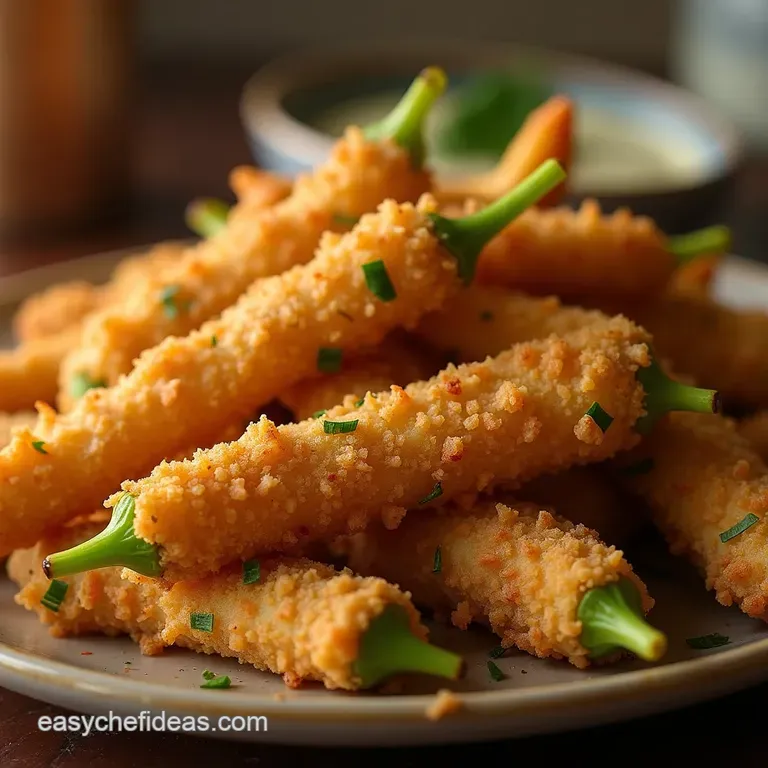
The magic truly happens in the two-stage coating process. We establish a "wet" station followed by a "dry" station. This double immersion ensures maximum adhesion for that glorious crust.
Selecting the Freshest Pods: A Quality Check
Always opt for young, tender okra pods if you can find them; they are naturally less fibrous and cook more quickly. If the pods are large, they tend to have thicker skin and more developed seeds, which can affect the final texture. Small to medium pods are ideal for slicing into those perfect ¼-inch coins.
The Dry & Wet Mix Ratios Explained Simply
For the wet mixture, you will use 1 cup of whole buttermilk its acidity helps tenderize the exterior slightly before frying. In the dry mix, the foundation is 1 cup of fine or medium grind yellow cornmeal, balanced with ¾ cup of all-purpose flour.
This combination ensures structure from the flour and the signature grit and crunch from the cornmeal.
Recommended Equipment for Optimal Heat Distribution
While you can certainly use any sturdy pan, achieving the best southern fried okra is easiest in a large, heavy bottomed skillet, ideally cast iron. Cast iron retains heat incredibly well, meaning the oil temperature won't plummet drastically when you introduce the cold okra.
Crucially, use a thermometer; managing the oil temperature accurately is the secret weapon for that crisp finish.
Related Recipes Worth Trying
- Easy Slow Cooker Boiled Peanuts Southern Salty Snack — Love boiled peanuts Make em at home This Easy Slow Cooker Boiled Peanuts recipe is foolproof Salty tender and totally addictive Get the recipe
- Easy Southern Boiled Peanuts Crockpot My GoTo Recipe — Craving Easy Southern Boiled Peanuts Crockpot This recipe makes it simple Just toss green peanuts in your slow cooker with salt water A real Southern snack...
- Boiled Peanuts History Recipe My SouthernStyle Salty Snack — Hankering for authentic Southern Style Boiled Peanuts My recipes got you covered Learn the Boiled Peanuts History and Recipe easy tricks for the tastiest...
Mastering the Technique: step-by-step Frying Guide
With your ingredients prepared and your dredging stations set up, it’s time for assembly. Remember, we work in small batches to protect the oil temperature. First, dip the sliced okra into the buttermilk, allowing any significant drips to fall back into the bowl.
Immediately transfer the coated pieces to the cornmeal/flour blend. Toss thoroughly until every piece is fully blanketed in the dry mixture, then give the entire batch a good shake to remove any loose, excess powder before it hits the oil.
Achieving Golden Perfection: Temperature Control Tips
The success of this fried okra recipe hinges almost entirely on heat management. We are aiming for an oil temperature of 375° F ( 190° C) for our frying medium vegetable, peanut, or canola oil work wonderfully due to their high smoke points.
Pre-Treatment Protocol to Banish Bitterness and Mucilage
If you are concerned about sliminess, try an optional pre-soak. After slicing the okra, soak the rounds in a bowl of ice water for exactly 10 minutes. Drain them completely and pat them bone dry with paper towels before beginning the dredging process.
This cold shock helps set the structure and minimizes potential slime release during cooking.
The Art of Battering: Ensuring Full Coverage
When you dredge the buttermilk soaked okra in the cornmeal mix, press gently to adhere the coating. A full, even coating is what transforms into that delectable, non-greasy crust. Think of the coating as armor protecting the delicate inside of the pod.
Hot Oil Deployment: When to Drop the Okra Pods
Only introduce the okra once the oil has reached that steady 375° F mark. Gently lower the coated pieces into the hot fat using a slotted spoon or spider, ensuring you do not overcrowd the pan. Overcrowding cools the oil instantly, leading to oil-logged, soggy results rather than crispness.
Draining and Seasoning: Finishing Touches for Superior Southern Fried Okra
Fry these beauties for about 4 to 6 minutes, turning them occasionally until they achieve a deep, rich golden brown color. Once removed, place them immediately on a wire rack set over a baking sheet this allows air circulation all around, preventing the bottoms from steaming and softening.
While they are piping hot, sprinkle them with an extra pinch of fine sea salt to ensure the seasoning adheres perfectly to the exterior.
Elevating Your Dish: Variations and Pairing Suggestions
While the classic preparation is divine, a little creativity can make your Southern Fried Okra even more exciting.
Flavor Boosters: Spices to Amp Up the Zest
To deepen the savory notes, incorporate ½ teaspoon of smoked paprika into your dry dredge mix for a hint of warmth, and a tiny ¼ teaspoon of cayenne pepper if you enjoy a mild background heat.
For a more herbaceous take, dried thyme or a bit of granulated garlic powder mixed into the cornmeal offers fantastic depth.
The Perfect Plate Companions for Your Fried Okra
This dish shines brightest when balanced with something acidic or fresh. It’s a powerhouse alongside slow cooked meats like pulled pork or brisket. For a classic pairing, serve it alongside a tangy, vinegar based coleslaw to cut through the richness of the fried coating, making it an essential addition to any spread of southern side dishes .
Storage Secrets and Reheating for Next Day Delight
While freshly made is always best, leftovers happen!
How Long Does Prepared Fried Okra Last?
Stored in an airtight container in the refrigerator, leftover fried okra will keep safely for up to three days. Be aware, however, that the texture will soften significantly after the first 24 hours.
Troubleshooting Common Frying Issues
If your okra is consistently coming out greasy, your oil temperature was likely too low when you added the food, causing it to soak up oil instead of quickly frying the coating. If the coating is falling off, you either didn't press the coating firmly enough onto the wet okra, or you didn't shake off the excess dry mix before frying.
The best way to revive those day-old pieces is not the microwave! Spread the okra on a baking sheet and reheat in an oven preheated to 400° F ( 200° C) for about 8 to 10 minutes.
This dry heat will help reactivate the crispness of the cornmeal coating beautifully.
Recipe FAQs
How do I stop my Southern Fried Okra from getting slimy? That’s always the main issue!
That dreaded slime is the bane of every okra cook! The best defence is a good offence: make sure your okra is completely dry before dredging, or consider giving it a quick 10-minute ice water bath followed by thorough drying.
Also, frying it immediately after dredging rather than letting it sit helps lock in the crispiness before any mucilage can develop.
Can I use frozen okra instead of fresh for this recipe?
While fresh is always best for that authentic Southern texture, you can use frozen okra if you must just know it requires extra care. Make sure the okra is fully thawed and patted bone dry, perhaps even spread on paper towels for 30 minutes.
If it feels wet, you’ll end up with soggy breading, so blotting is key!
What’s the secret to getting that deep golden colour without burning the outside?
The secret lies in controlling your oil temperature, ideally holding it steady at 375°F (190°C). If the oil is too cool, the coating absorbs grease; if it’s too hot, it burns before the inside cooks. Also, work in small batches so you don't drop the oil temperature dramatically when you drop in the okra!
Can I bake or air fry the Southern Fried Okra instead of deep frying?
You absolutely can attempt a healthier version, though it won't taste quite like the traditional skillet fried version. For the air fryer, lightly spray the dredged okra with cooking oil and cook at 380°F (195°C) until golden, shaking halfway through.
Baking requires spreading them on a rack and baking at 425°F (220°C) until crisp.
How should I store leftover fried okra, and can I reheat it successfully?
For storage, let any leftovers cool completely, then keep them in an airtight container in the fridge for up to three days; avoid stacking them too tightly. To reheat, avoid the microwave it guarantees sogginess!
Instead, spread them on a baking sheet and crisp them up in a hot oven (400°F/200°C) for about 5-7 minutes until they recapture their crunch.
Crispy Southern Fried Okra
Instructions:
Nutrition Facts:
| Calories | 375kcal |
|---|---|
| Fat | 25g |
| Fiber | 7g |
