Gingerbread Cookies Recipe: Properly Spiced, Crisp Chewy Classic

- The Definitive Guide to Crisp & Chewy Classic Gingerbread Cookies
- Mastering the Science of Perfectly Spiced Gingerbread
- Key Ingredients and Expert Substitutions for Gingerbread Biscuits
- Step-by-Step Instructions: Mixing, Chilling, and Cutting
- Troubleshooting Gingerbread: Common Mistakes and Baker's Secrets
- Storing and Freezing Your Baked Gingerbread Cookies
- Decoration Ideas and Perfect Pairings
- Recipe FAQs
- 📝 Recipe Card
The Definitive Guide to Crisp & Chewy Classic Gingerbread Cookies
When that incredible aroma of warm ginger, sticky treacle, and robust cinnamon hits the oven, you know it's officially the holidays. Seriously, nothing else smells quite like it. These classic gingerbread cookies aren't just pretty shapes; they deliver that perfect crackle on the outside and a wonderfully soft, slightly chewy centre that melts away.
Forget fussing with doughs that sprawl and blur all your intricate cut-outs; this recipe is totally foolproof if you respect the chilling time. It uses simple pantry ingredients, which means you can whip up a batch quickly when the sudden baking urge strikes, or when unexpected guests pop round.
We are aiming for robust flavour here, not those sad, pale, dusty biscuits you find sometimes.
I've learned (the hard way) that achieving great gingerbread is all about balancing the right amount of dark sugar and spices. Ready to stop messing around and bake the best batch of Properly Spiced Gingerbread Cookies you’ve ever tasted? Let's crack on.
Mastering the Science of Perfectly Spiced Gingerbread
What Makes Our Gingerbread Texture Unbeatable?
We are using creamed, softened butter, which incorporates air and provides a light lift, crucial for cut-out biscuits. Unlike recipes that use melted butter for fudginess (like my Chocolate Chip Cookies: The Best Chewy Bakery Style Recipe ), we need structure. The high ratio of molasses and brown sugar also guarantees moisture retention, which stops the cookies from drying out and becoming too crumbly.
Essential Tools for Perfect Cut-Out Biscuit Shapes
A good rolling pin is non-negotiable for this dough. I strongly recommend one with thickness guides or using two parallel rulers to ensure every single cookie is exactly 6mm (or ¼ inch) thick.
Uniform thickness is the key to ensuring they all bake at the same rate, preventing half a tray from burning while the rest remain raw. Also, keep your cutters lightly dusted with flour so they release cleanly.
Optimal Chilling Times for Dough Stability
This is where most people fail. I used to skip chilling, and my gingerbread men always turned into blobby, tragic snowmen. Chilling the dough solidifies the fat, preventing the cookies from spreading too much when they hit the hot oven.
Aim for at least 60– 90 minutes; I often leave mine overnight.
The Role of Blackstrap Molasses in Flavor and Color Depth
Blackstrap molasses (or black treacle in the UK) is not just a sweetener; it’s a necessary flavour component. It is highly viscous, slightly bitter, and deeply acidic, reacting beautifully with the baking soda to help lift the dough just enough.
Most importantly, it gives the biscuits that essential dark, rich mahogany colour and the deep, signature warmth that defines classic gingerbread.
Key Ingredients and Expert Substitutions for Gingerbread Biscuits
Gingerbread is simple, but the quality of your spices truly matters here. If your ground ginger has been sitting in the cupboard since 2018, please refresh it!
Choosing the Right Ginger and Spice Blend Ratio
I go heavy on the ginger because I want these to taste properly spiced, not timid. We need the heat of the ginger, the warmth of the cinnamon, and the depth of the cloves and nutmeg to create that perfectly balanced flavour profile.
Don't be afraid to add a tiny pinch of cayenne pepper if you like a serious punch of heat.
Flour Types: Achieving Structure Without Toughness
All-purpose flour works perfectly here, especially when you weigh it correctly. Do not swap for bread flour ; the high protein content will develop too much gluten, resulting in tough, brittle biscuits. We want structure, but we definitely want a nice, gentle chew.
Why Baking Soda is Key to Achieving Crisp Edges
Baking soda is a leavener that requires an acid to activate in this recipe, that acid comes directly from the molasses and dark brown sugar. This reaction creates carbon dioxide bubbles, giving the cookie that slight puff, and more importantly, encourages rapid browning and that satisfying crispness around the edges.
Dairy Alternatives for Vegan Gingerbread Cookies
It’s completely possible to make fantastic vegan gingerbread. Just make a simple swap.
| Original Ingredient | Viable Substitution | Notes |
|---|---|---|
| Unsalted Butter | Block style Vegan Butter/Margarine | Must be a high fat stick variety, not tub margarine. |
| Large Egg | 1 'Flax Egg' (1 tbsp flaxmeal + 3 tbsp water, rested 5 mins) | Alternatively, use 1/4 cup applesauce, but reduce the molasses slightly. |
| Molasses/Treacle | Dark Corn Syrup (if desperate) | This will sacrifice the traditional colour and depth of flavour, so use a strong spice blend. |
step-by-step Instructions: Mixing, Chilling, and Cutting
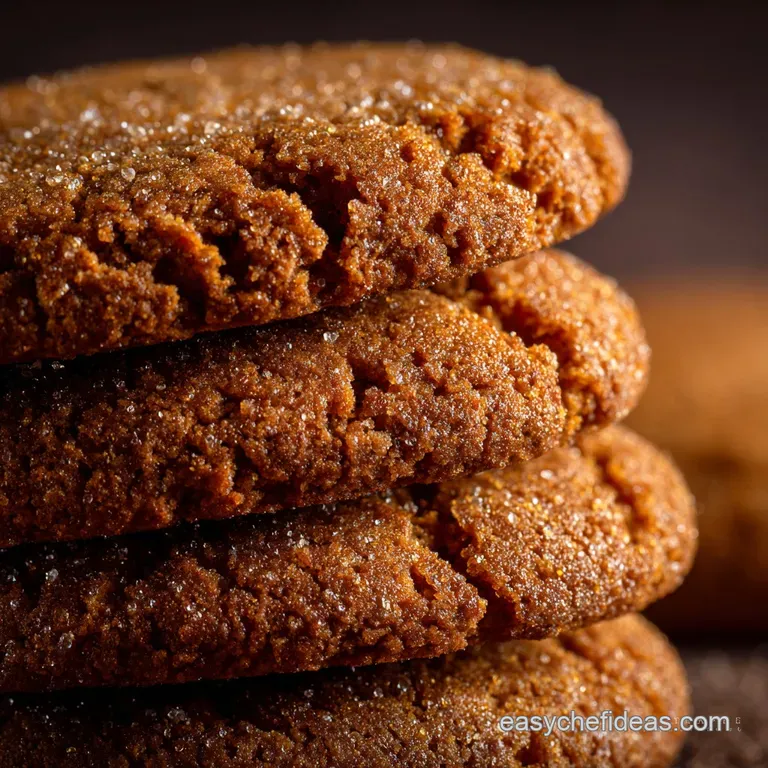
Creaming Butter and Sugars: The Essential First Step
Start with perfectly room temperature butter and brown sugar. Beat these together until the mixture is visibly lighter in colour and texture, which usually takes 2– 3 minutes with a stand mixer.
This process of creaming introduces tiny air pockets into the fat, essential for the final structure. This is how we get those light and airy bases, even in something as dense as gingerbread dough.
The "Low and Slow" Rolling Technique for Even Thickness
Remove the dough from the fridge and let it sit at room temperature for about 10 minutes before attempting to roll. This prevents it from cracking right away. Roll gently, turning the dough frequently to ensure it isn't sticking to your surface.
Aim for that ¼ inch (6mm) thickness across the whole sheet don't rush this part.
Preventing Gingerbread Men from Spreading in the Oven
After cutting your shapes, place the tray of cut dough back into the freezer for 5– 10 minutes while your oven finishes preheating. This shock chilling tightens the dough one last time. This is a secret trick to guarantee zero spread and wonderfully sharp edges.
Baking Time Adjustments for Larger vs. Smaller Shapes
A medium (4 inch) gingerbread man will take about 10– 12 minutes. If you are baking mini shapes, drop the time to 7– 9 minutes. If you're using gigantic cutters, you might need 13– 15 minutes.
Always judge doneness by the edges turning firm and slightly darker brown, rather than just relying on the clock.
Chef’s Note: Do NOT mix your sheet trays. Never bake large and small cookies simultaneously on the same tray, or you will end up with burnt tiny cookies and raw large ones.
Troubleshooting Gingerbread: Common Mistakes and Baker's Secrets
My Dough Is Crumbly: How to Adjust Hydration
A crumbly dough usually means one of two things: you over measured the flour (use a scale!) or your kitchen is too dry. If the dough feels like sawdust after mixing, add moisture but sparingly. Incorporate one teaspoon of milk or water at a time until the dough just comes together into a cohesive ball.
Achieving the Dark, Rich Color without Burning
The key to deep colour is using dark ingredients: dark brown sugar and black treacle/molasses. We bake them at a moderate temperature (350°F / 175°C) to ensure the heat penetrates slowly. If your cookies are light but already taste burnt, your oven temperature is too high.
Check your oven thermometer, seriously.
How to Freeze Raw Cookie Dough Successfully
You bet you can freeze this! Form the dough into discs, wrap them tightly in two layers of plastic wrap, then place them in a freezer bag. Label the date. Raw dough will keep happily in the freezer for up to three months. To use, let it thaw completely overnight in the fridge before rolling out and cutting. This also works brilliantly for my recipe for Easy 4 Ingredient Shortbread Cookies Buttery Egg Free .
Storing and Freezing Your Baked Gingerbread Cookies
Air-Tight Storage Lifespan for Baked Biscuits
Once completely cool, store your baked, un-iced cookies in an airtight container at room temperature for up to two weeks. If you store them with a half slice of bread, the moisture from the bread will transfer, keeping the cookies softer for longer. Just swap the bread slice every few days.
How to Freeze Raw Cookie Dough Successfully
You can freeze baked gingerbread cookies, though they can become slightly brittle. Place fully cooled, un-iced cookies in an airtight container, layered between parchment paper, and freeze for up to one month. Thaw them completely at room temperature before handling or icing.
Do not try to reheat them, as this will dry them out instantly.
Decoration Ideas and Perfect Pairings
Icing Options: Royal Icing vs. Simple Glaze
For intricate, detailed work that needs to dry rock hard and stackable, use traditional royal icing (made with meringue powder). If you just need a simple, quick drizzle for aesthetics and flavour, the simple glaze recipe provided (powdered sugar, milk, vanilla) is perfect.
It dries soft, not hard, and tastes much better, honestly.
Beverage Pairings: The Best Drinks to Serve With Spice
Gingerbread cookies pair best with warm, strong, creamy drinks that can stand up to the spice level. Think a robust coffee, a steaming mug of apple cider (spiked or not!), or a rich homemade hot chocolate. If you prefer something tart to cut the sweetness, a really cold glass of milk works wonders.

Recipe FAQs
Why did my gingerbread cookies spread and lose their defined shape?
Spreading is usually caused by insufficient chilling time or using butter that is too warm or soft. It is essential to chill the dough for at least two hours (or preferably overnight) before rolling and cutting the shapes.
If your kitchen is very warm, consider chilling the cut-out shapes again briefly before placing them into the hot oven.
My cookies turned out too hard and dry. What did I do wrong?
This common issue stems from either overbaking or using too much flour during the rolling process. Ensure you measure your flour accurately using the spoon and-level method, and pull the cookies from the oven when the edges are just set but the centers still look slightly soft.
They will firm up considerably as they cool on the baking sheet.
How long should I chill the dough, and is it absolutely necessary?
Chilling is absolutely essential, both for managing the dough's stickiness and for preventing spread. Chill the dough for a minimum of two hours, but up to 24 hours is perfect. Properly chilled dough ensures your cookies retain crisp edges and hold intricate cut-out shapes beautifully during baking.
Can I make this classic gingerbread recipe vegan?
Yes, this recipe adapts well to vegan specifications. Replace the dairy butter with an equal amount of a high-quality vegan butter stick, ensuring it has a low water content suitable for baking.
Substitute the egg with one "flax egg" (1 tbsp ground flaxseed mixed with 3 tbsp water), which helps maintain the required chewiness and structure.
How far in advance can I bake these cookies, and what is the best storage method?
Baked and fully cooled gingerbread cookies can be stored in an airtight container at room temperature for up to two weeks. If you are decorating them with royal icing, ensure the icing is completely hard and dry before layering the cookies with parchment paper to prevent sticking.
They freeze well for up to six months if undecorated.
I prefer a very strong ginger flavor. How can I increase the spiciness?
To deepen the flavor, you can increase the amount of ground ginger by 1/4 to 1/2 teaspoon, and ensure you are using fresh, high-quality spices. For an extra kick, grate in about a teaspoon of fresh ginger during the creaming stage, or add a pinch of finely ground black pepper to the dry ingredients, as this enhances the heat component.
Can I freeze the raw gingerbread dough?
Absolutely. Shape the dough into a disk, wrap it tightly first in plastic wrap and then in a layer of foil, and freeze for up to three months. When ready to use, thaw the dough overnight in the refrigerator before allowing it to warm slightly to room temperature for rolling.
Classic Spiced Gingerbread Cookies
Ingredients:
Instructions:
Nutrition Facts:
| Calories | 115 kcal |
|---|---|
| Protein | 2.0 g |
| Fat | 4.0 g |
| Carbs | 18.0 g |
