The Better Than the Bay Blend Iconic Homemade Old Bay Seasoning
- Unlocking the Secret Sauce: Why Craft Your Own Maryland-Style Spice Blend?
- Beyond the Store Shelf: The Superiority of Homemade Old Bay Seasoning
- Assembling Your Spice Arsenal: Precisely Measured Components
- The Seamless Mixing Process: Step-by-Step Creation Guide
- Achieving Optimal Flavour Fusion Through Processing
- Maximizing Longevity: Storing Your Freshly Made Blend
- Versatility Unleashed: Creative Ways to Employ Your Homemade Seasoning
- Recipe FAQs
- 📝 Recipe Card
Unlocking the Secret Sauce: Why Craft Your Own Maryland Style Spice Blend?
There are certain aromas that instantly transport you to a specific place or memory. For those who cherish coastal cooking, the unmistakable fragrance of that iconic orange and-blue canister signals summer, seaside feasts, and perfectly seasoned crustaceans.
However, the magic of that classic blend doesn't have to remain confined to pre-packaged jars. Taking the time to create your own Homemade Old Bay Seasoning is not just a culinary exercise; it’s an act of flavour reclamation.
By controlling the freshness and sourcing the individual components, you gain mastery over the subtle balance that makes this spice mix truly legendary. This dedication ensures that every dish you prepare from a simple pot of corn to an elaborate crab boil carries an authentic, vibrant kick that commercial versions often lack due to aging spices.
Beyond the Store Shelf: The Superiority of Homemade Old Bay Seasoning
While the ready-made product is convenient, its flavour profile often dulls over time, sitting on shelves and losing its aromatic punch. Crafting your own blend bypasses this issue entirely, delivering a product bursting with volatile oils and potent flavour.
This recipe, yielding approximately one cup of this powerful seasoning, is deceptively simple, requiring only 10 minutes of active preparation time, yet it offers rewards that last for months.
The Signature Flavour Profile: What Makes This Seasoning Iconic?
The genius of this spice mix lies in its complexity. It’s not just salty or spicy; it’s a nuanced tapestry woven from earthy, sweet, and pungent notes. The defining element, the true soul of the blend, is the celery seed, which provides a distinctive, slightly savoury green undertone.
This is perfectly balanced by the robust warmth of mustard seed and the beautiful colour and mild sweetness provided by both smoked and regular paprika. When these core elements combine with whispers of ginger, allspice, and nutmeg, you achieve that quintessential, highly addictive profile that begs for one more bite.
Bypassing the Jar: A Fresh Approach to Classic Spices
Relying on pre-ground spices from a large container often means you’re using ingredients that were ground months, if not years, ago. When you mix up a batch of Homemade Old Bay Seasoning , you benefit from maximum potency.
If you choose to take the extra step of lightly toasting any whole seeds (like coriander or black peppercorns) before grinding them yourself, the difference in depth is astounding.
This fresh approach guarantees that the earthy sweetness of the paprika and the sharp bite of the mustard shine through with uncompromising clarity in every application.
Anticipating the Results: What to Expect from This Batch
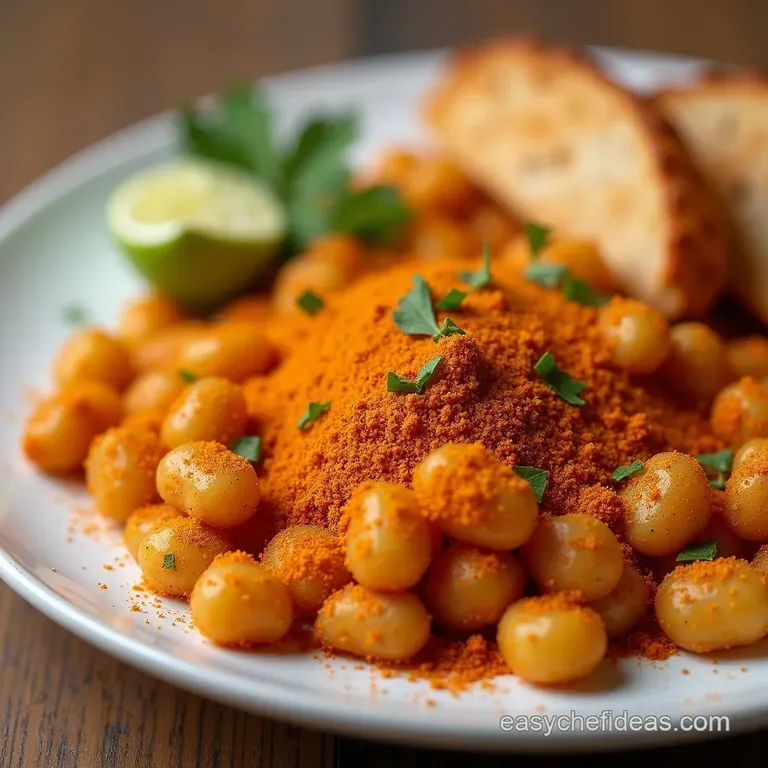
The result of following this careful ratio of ingredients is a fragrant, vibrant reddish orange powder. You should immediately notice the pungent aroma of the mustard and celery seed dominating the initial scent, followed by the warmth of the ginger and cinnamon on the finish.
The texture should be relatively uniform, though it will be slightly coarser than commercial versions if you use freshly ground pepper or skip ultra fine grinding. This batch, yielding around 170g, is designed to stock your pantry for several months, ensuring you always have this essential flavour enhancer on hand for impromptu meals.
Assembling Your Spice Arsenal: Precisely Measured Components
Accuracy is paramount when dealing with strong spices; a teaspoon too much nutmeg can throw the entire balance off, while too little paprika can leave the blend looking dull. This recipe hinges on precise measurement to achieve that famous flavour equilibrium.
The Core Components: Defining the Essential Spice Ratios
To construct the foundation of this seasoning, we rely heavily on bulk and primary flavour drivers. We start with a substantial base of Ground Mustard Seed (4 tablespoons) and Celery Seed (3 tablespoons).
These two ingredients are non-negotiable and form the core pungency. Supporting these are the colour and sweetness elements: Smoked Paprika and Sweet Paprika , each measured at 2 tablespoons.
To provide the necessary heat and bite, we include 1 tablespoon of Coarse Ground Black Pepper —freshly ground is always recommended here and 1 tablespoon of Fine Sea Salt .
Optional Enhancements: Customizing Your Homemade Old Bay Seasoning Depth
While the foundation provides the classic flavour, the supporting spices elevate it from good to great. These ingredients require a lighter touch. We introduce depth with Ground Ginger and Ground Allspice , both measured at 1 teaspoon each.
For a subtle aromatic warmth that rounds out the edges, a mere 1/2 teaspoon of Ground Nutmeg is called for be cautious, as nutmeg is potent. Finally, to introduce a pleasant, noticeable heat that complements the pepper, we add 1/2 teaspoon of Crushed Red Pepper Flakes .
Just a whisper of Ground Cinnamon (1/4 teaspoon) ties the sweet and savoury elements together beautifully.
Prep Work: Grinding and Measuring Techniques Explained
Since this process involves zero cooking, the preparation phase focuses entirely on precision. Use clean, dry measuring spoons for every single component. For the black pepper, if you are grinding whole peppercorns, ensure you grind them to a texture similar to the other ground spices in the recipe for consistent distribution.
If you suspect your spices have been sitting for over a year, consider lightly toasting the whole versions of the seeds and then allowing them to cool completely before measuring and mixing; this awakens their essential oils, significantly enhancing the final flavour of your Homemade Old Bay Seasoning .
Related Recipes Worth Trying
- Easy Homemade Old Bay Seasoning Recipe Taste the Coast — Tired of the storebought stuff Learn how to make Old Bay seasoning from scratch This homemade mix delivers the perfect zesty punch for seafood and more
- Easy Greek Chicken Bowls with Homemade Tzatziki 45 Min Prep — Whip up these Easy Greek Chicken Bowls in under an hour Tender lemonherb chicken paired with creamy Homemade Tzatziki makes for the perfect healthy protein bowl
- Easy Healthy Greek Chicken Bowls with Homemade Tzatziki — Whip up these vibrant Healthy Greek Chicken Bowlspacked with lemonoregano chicken and fresh veg Theyre perfect for healthy fitness meals or lunch meal prep...
The Seamless Mixing Process: step-by-step Creation Guide

Once all your ingredients are measured out, the physical combination is quick and satisfying. Remember, you are aiming for homogenization a state where every pinch you take from the finished product tastes identical.
Step One: Combining Dry Elements in Sequence
Begin by placing the largest volume ingredients into your mixing bowl first: the mustard seed, celery seed, and the two paprikas. Next, add the coarser ground ingredients like the black pepper and red pepper flakes.
Finally, sprinkle in the more potent, measured spices like the nutmeg, allspice, ginger, cinnamon, and the salt. Adding the heavy spices first and the lighter, more potent ones last helps prevent any one flavour from dominating the initial blend.
The Crucial 'Rest' Period: Allowing Spices to Mingle
This might be the most overlooked step in making any blended seasoning. While you can technically use the seasoning immediately after mixing, the true magic happens when the various flavour molecules have time to interact. After combining, transfer the entire batch into your airtight storage jar.
Seal it tightly and set it aside, ideally in a cool, dark pantry, for a minimum of 24 hours. This resting period, often called "marrying" or "curing," allows the volatile oils to permeate the salt and other components, resulting in a smoother, more integrated flavour profile that defines superior Homemade Old Bay Seasoning .
Finalizing Your Batch: Ensuring Even Distribution
Before sealing the jar for its long rest, or before final use, give the contents a vigorous shake at least 30 seconds worth or stir thoroughly with a clean spoon. Since some spices (like salt) are heavier, they can settle at the bottom.
Continuous, even distribution ensures that your first sprinkle on roasted potatoes tastes just as complex as the last one used months down the line. If you decide to adjust the seasoning after the initial taste test, make adjustments incrementally, mixing well after each addition.
Achieving Optimal Flavour Fusion Through Processing
The quality of the final seasoning relies not just on the ingredients, but on how they are handled post mixing to ensure maximum flavour transfer and ideal texture.
Maximizing Longevity: Storing Your Freshly Made Blend
The best container for your newly crafted seasoning is a clean, dry jar with a tight sealing lid. Glass is preferable as it does not absorb oils or odours like plastic can over time.
Once sealed, store the jar in a location that avoids light and fluctuating temperatures a spice cabinet or deep pantry drawer is perfect. Keeping it away from the stove or dishwasher area will drastically slow the degradation of the spices’ volatile compounds.
Shelf Life Secrets: Keeping the Kick Alive for Months
When made with fresh ingredients and stored correctly, this Homemade Old Bay Seasoning blend maintains peak flavour for up to six months. After that, it won't necessarily become unsafe, but the intensity, particularly of the mustard and pepper, will begin to fade.
To test if it’s still vibrant, smell it deeply; if the aroma makes your nose tingle and evokes strong flavour memories, it’s good to go. If it smells dusty or faint, it’s time to whip up a fresh, small batch.
Troubleshooting Texture: Tips for Adjusting Fineness
If you find your homemade blend is too coarse for a delicate application (like seasoning popcorn), you can refine the texture. Place a small amount perhaps half a cup back into a clean spice grinder or a mortar and pestle.
Pulse briefly (just a couple of short bursts) to break down the larger particles further. Be careful not to over process, as grinding generates heat which can prematurely cook the spices. A quick refinement is all that’s needed for a silkier final product.
Versatility Unleashed: Creative Ways to Employ Your Homemade Seasoning
The appeal of having superior Homemade Old Bay Seasoning on hand extends far beyond the traditional seafood boil. Its complex flavour profile makes it a versatile secret weapon across many different cuisines.
Beyond Seafood: Culinary Applications for This Seasoning Mix
While it elevates steamed crab and shrimp effortlessly, try incorporating this blend into your everyday cooking for surprising results. Sprinkle it liberally over popcorn for a savoury snack that rivals any cheese powder.
Mix it into breading mixtures for fried chicken or pork chops; the celery seed provides an unexpected layer of herbaceous depth. It’s phenomenal dusted over roasted cauliflower or mixed directly into hummus for an instant flavour upgrade.
A light dusting over avocado toast or scrambled eggs also showcases its savory punch beautifully.
Nutritional Snapshot of Your Custom Blend
When you prepare this seasoning yourself, you maintain control over the sodium content. While the recipe includes 1 tablespoon of fine sea salt to achieve the classic salinity, this is a significant variable.
For instance, if you are aiming for a lower sodium intake, you can drastically cut that salt down to one teaspoon or eliminate it entirely, opting to salt your dishes separately during the cooking process.
Overall, this blend is low in calories, providing flavour through aromatic compounds rather than fats or heavy sugars.

Recipe FAQs
What's the secret to making this Homemade Old Bay Seasoning taste authentic, like the stuff from the shop?
The real magic lies in the celery seed and mustard seed; these are the non-negotiable backbone flavours. Make sure you use quality, aromatic spices and mix everything really thoroughly a proper whisking ensures those stronger flavours don’t just settle at the bottom of your jar.
Can I use this homemade blend on things other than seafood, like roast potatoes or chicken?
Absolutely, don't be shy! This seasoning is fantastic on everything; think of it as a sophisticated, savoury seasoning salt. It’s brilliant on roast chicken, sprinkled over popcorn, or mixed into breadcrumbs for a killer coating for fried mozzarella sticks.
How long will this Homemade Old Bay Seasoning last, and what’s the best way to store it?
Stored correctly in a completely airtight jar, away from heat and direct sunlight, this blend should keep its best flavour for about six months. If you’ve toasted the spices, try to use it within three months for peak aromatic intensity, just like a good cup of tea needs proper storage!
I’m finding it a bit too spicy; how can I adjust the heat level in the blend?
That’s an easy fix! If you find the initial blend too fiery, simply reduce the amount of crushed red pepper flakes next time you mix a batch. For now, you can try mixing in an extra tablespoon of regular paprika and a pinch more salt to balance the current batch out.
I only have whole spices; should I grind them myself before mixing the seasoning?
If you have the time, grinding them fresh will make a massive difference it’s like the difference between a soggy digestive biscuit and a crisp one! Lightly toast whole spices like coriander and peppercorns before grinding for an even richer, deeper flavour profile.
Better Than Bay Spice Blend

Ingredients:
Instructions:
Nutrition Facts:
| Calories | 8464 kcal |
|---|---|
| Protein | 98.1 g |
| Fat | 137.9 g |
| Carbs | 455.1 g |
| Fiber | 205.0 g |
| Sodium | 766 mg |
