The Ultimate Athome Guide to Authentic Italian Gelato Fior Di Latte
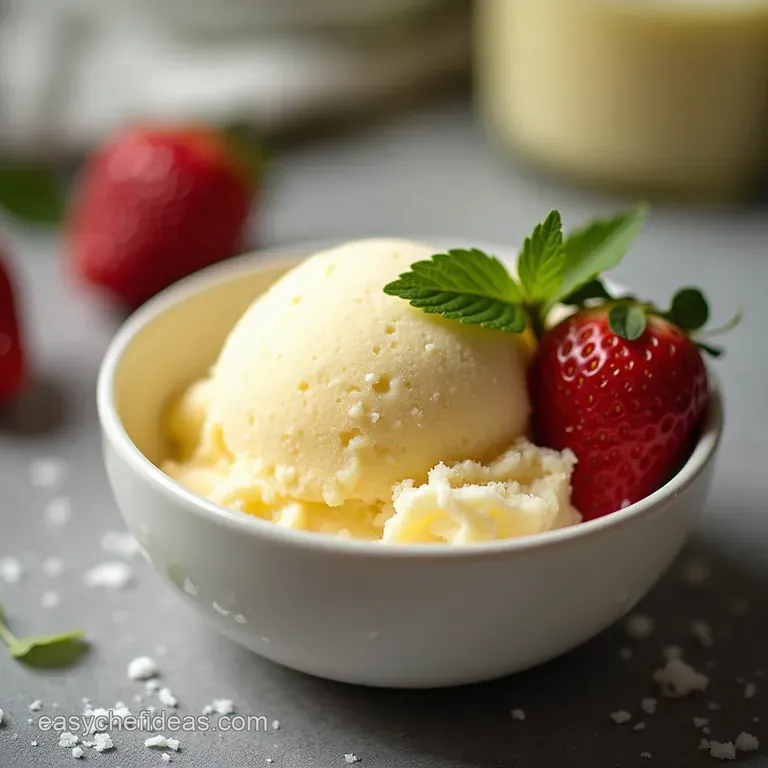
- Beyond Ice Cream: Unveiling the Secret to Silky Authentic Italian Gelato
- Why Fior di Latte is Your Essential Starting Point for Gelato Mastery
- Curating Your Cast: Essential Components for True Gelato Richness
- Phase One: Developing the Flavorful Gelato Foundation (The Base)
- Phase Two: The Crucial Tempering and Maturation Period
- Phase Three: Churning Technique for Optimal Structure
- Achieving Perfect Texture: Pro Tips for Homemade Gelato Success
- Serving Rituals and Storing Your Italian Creation
- Recipe FAQs
- 📝 Recipe Card
Beyond Ice Cream: Unveiling the Secret to Silky Authentic Italian Gelato
Welcome to the true taste of Italy! This recipe for Fior di Latte Gelato (literally "flower of milk") is the quintessential base flavour pure, creamy perfection relying entirely on the quality of the dairy and sugar balance.
Originating from humble beginnings, true gelato is churned slower and served slightly warmer than its American cousin, resulting in a denser texture with an intensely smooth mouthfeel. It’s pure, unadulterated bliss.
Mastering this Authentic Italian Gelato Recipe is simpler than you think, provided you respect the core principles of density and temperature control.
Brief Description: This guide will walk you through crafting this classic Fior di Latte base. It is the perfect starting point for anyone looking to understand the nuance behind this magnificent dessert.
Difficulty Level: Medium. While the ingredient list is short, mastering the custard base (the pâte à bombe technique, though simplified here) and achieving the correct consistency requires careful temperature control.
Getting the sugar levels just right is key to preventing ice crystals, which is the nemesis of good gelato.
Time Estimates:
- Prep Time: 25 minutes active prep, followed by a minimum 4-hour (or overnight) chilling time.
- Cook Time: 10– 15 minutes (for tempering the custard).
- Total Time: Approximately 4 hours 15 minutes (mostly inactive chilling).
Serving Size: Yields approximately 1 Quart (about 1 Litre), serving 4 to 6 lucky people.
Why Fior di Latte is Your Essential Starting Point for Gelato Mastery
Fior di Latte, meaning "Flower of Milk," is the purest expression of Italian chilling artistry. It forces you to confront the fundamental quality of your ingredients because there are no strong flavours like cocoa or nuts to mask any imperfections.
If you can make flawless Fior di Latte, you can master any Italian Gelato Flavors .
Ditching Air for Density: Understanding Gelato's Unique Texture
The primary difference between ice cream and gelato lies in the overrun the amount of air incorporated during churning. Ice cream often contains 50% or more air, making it light and fluffy. Gelato, however, is churned slowly, incorporating significantly less air (often 20-35%).
This lower air content, combined with a slightly lower fat percentage, creates that dense, satiny mouthfeel unique to Authentic Italian Gelato . This density is what allows the flavour to coat your palate immediately upon tasting.
The Purity Test: Why Milk Quality Dictates Flavor Success
Since this recipe the foundation for many other Authentic Italian Gelato Ingredients —is milk centric, the quality of your dairy cannot be overstated. We rely on a higher proportion of whole milk over heavy cream compared to traditional ice cream recipes.
This lower fat content allows the palate to taste the nuanced sweetness and dairy notes more intensely. Seek out high-quality, pasteurized whole milk for the best foundation.
A Culinary Passport to Florence: Setting Expectations for This Recipe
As we craft this base, remember we are adhering to traditional methodology, albeit scaled for the home kitchen. We are using four egg yolks for necessary emulsification and richness, setting us up beautifully for a luxurious result that rivals any gelateria in Rome.
This recipe is designed to shine whether you use a machine or explore Homemade Gelato Without Machine techniques, though success is guaranteed with the right tools.
Curating Your Cast: Essential Components for True Gelato Richness
Crafting exceptional gelato relies on a careful balance of solids, fats, sugars, and liquids. This balance dictates the final texture, preventing the formation of large, unwelcome ice crystals.
Selecting Sugars: Balancing Sweetness and Freezing Point
We employ two primary sugars here: granulated sugar for bulk sweetness, and a touch of dextrose (or glucose, if available). Dextrose is crucial because it lowers the freezing point of the mixture more effectively than standard sucrose.
This means the finished product remains softer and more scoopable straight from the freezer a hallmark of good gelato structure. If you are exploring How To Make Gelato Without Eggs , managing your sugar content becomes even more critical for texture preservation.
The Dairy Lineup: Sourcing Premium Whole Milk and Cream
For our Fior di Latte, you will need 1 ½ cups of whole milk and 1 cup of heavy cream (around 35% fat). The milk provides the primary body, while the cream contributes necessary richness without overpowering the milk’s delicate profile.
Do not substitute with low-fat dairy; the fat content is essential for mouthfeel, even in lower ratios than ice cream requires.
Essential Non-Negotiables: Stabilizers and Flavor Extracts (Minimalism Required)
In this pure formulation, our primary stabilizer is skim milk powder (about 3 tablespoons). This ingredient is non-negotiable for home makers. It adds milk solids that bind water, preventing iciness and giving the gelato structure.
Regarding flavour, we use only 1 teaspoon of pure vanilla extract, added after cooking, to enhance the dairy notes, not to dominate them.
Phase One: Developing the Flavorful Gelato Foundation (The Base)
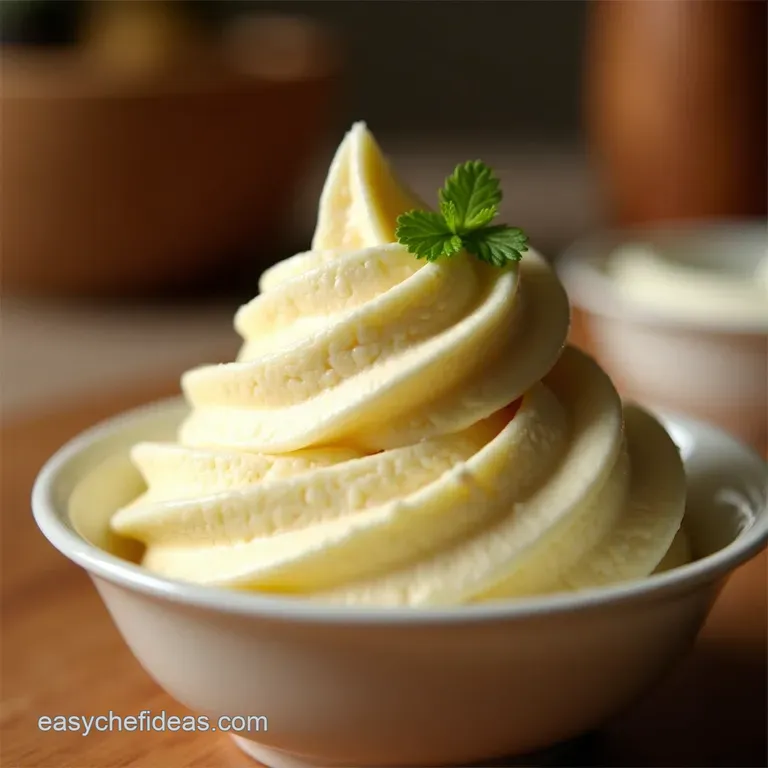
The foundation begins by combining the dry elements. In a small bowl, whisk together your granulated sugar, the optional dextrose, the essential skim milk powder, and a pinch of fine sea salt.
Next, gently heat your whole milk and heavy cream in a heavy bottomed saucepan over medium heat until the mixture is steaming, reaching about 100° F ( 38° C). Do not allow it to boil! Remove it immediately from the heat source.
This initial gentle warming prepares the dairy for the tempering stage.
Related Recipes Worth Trying
- Velvet Gold Authentic Italian Vanilla Bean Gelato Recipe — Master homemade Italian gelato This classic vanilla bean recipe creates a dense velvety smooth dessert richer than standard ice cream Get the foolproof...
- Bold Authentic Homemade Fajita Seasoning Recipe 5 Mins — Toss those salty packets This easy Fajita Seasoning Recipe delivers authentic TexMex flavour instantly Its the perfect blend for chicken or steak
- Authentic Smoky Chipotle Chicken Tinga Recipe — Make this truly authentic Mexican Chicken Tingatender shredded chicken in a vibrant chipotle sauce Perfect for easy Chicken Tinga Tacos
Phase Two: The Crucial Tempering and Maturation Period
This phase is where we prevent scrambled eggs and build the emulsion. In a separate bowl, lightly whisk the four large egg yolks. Slowly, we must temper the yolks: drizzle about half of the warm milk mixture into the yolks while whisking constantly.
This gradual temperature increase prevents the proteins in the yolks from seizing up. Once tempered, pour the enriched yolk mixture back into the saucepan containing the remaining milk. Now, reintroduce the dry sugar/powder mixture into the pan.
Phase Three: Churning Technique for Optimal Structure
Gently Heating the Dairy: Avoiding Scalding at All Costs
Return the saucepan to low heat. Stir continuously with a rubber spatula, ensuring you scrape the bottom to prevent scorching. We are looking to cook the custard until it thickens slightly the nappe stage, where it coats the back of the spatula.
Use an instant read thermometer; the target temperature is precisely 175° F to 180° F ( 80° C to 82° C) .
Crossing 185° F ( 85° C) risks curdling the yolks, ruining the smooth potential of your Pistachio Gelato Recipe Homemade base (should you use this method later).
Infusing the Sweetener: Dissolving Sugar Completely into the Warm Liquid
Ensure all granulated sugar and stabilizers have fully dissolved during the heating process. Undissolved sugar grains lead to a grainy, unpleasant texture in the final product, even after churning.
The Mandatory Rest: Why Overnight Chilling Transforms Texture
Immediately after reaching temperature, remove the base from the heat. Strain it through a fine mesh sieve into a clean bowl this catches any tiny cooked egg bits or undissolved particles. Stir in the teaspoon of pure vanilla.
Cover the surface directly with plastic wrap (a technique called "contact chilling") and transfer it to the refrigerator. This mandatory rest, ideally overnight but at least four hours, allows the fats and proteins to fully hydrate and mature, which dramatically improves the final texture of your Homemade Gelato With Ice Cream Maker .
Churning Dynamics: Introducing Air Without Over Aerating
Once perfectly chilled, pour the cold base into your pre-frozen gelato machine bowl. Churn according to the manufacturer's instructions. Because gelato is denser, it will often churn slightly faster or appear slightly thicker than traditional ice cream recipes do at the same point.
Stop churning when the mixture resembles thick soft serve ice cream.
Achieving Perfect Texture: Pro Tips for Homemade Gelato Success
Success here relies on respecting the cold. Always use ingredients that have been chilled for the full maturation period. If you find yourself contemplating How To Make Gelato Without Eggs , remember that yolks are excellent emulsifiers; compensate by using slightly more skim milk powder or chilling for a longer period.
Serving Rituals and Storing Your Italian Creation
Troubleshooting Common Issues: Why Isn't My Gelato Creamy?
If your finished product is rock hard, it usually means your sugar-to-liquid ratio was too low, or you skipped the maturation step. If it’s grainy, your heating phase was too aggressive, or you failed to strain the base properly.
Remember, Gelato Making Tips revolve around minimizing ice formation.
Flavor Variations: Transforming Fior di Latte into New Masterpieces
Once you master this base, the world of Italian Gelato Flavors opens up. For a truly rich Pistachio Gelato Recipe Homemade , blend 1 cup of high-quality, unsweetened pistachio paste directly into the base mixture before chilling (Phase Two).
For chocolate, whisk in high-quality cocoa powder during the dry ingredient mixing (Step 1 of Phase One).
The 'Hardening' Phase: Brief Freezing for Spoonable Consistency
Transfer the churned, soft gelato immediately into an airtight, freezer safe container. Press a sheet of parchment paper directly onto the surface to prevent any freezer burn or surface crystallization. Freeze for a final 2 to 4 hours.
This short hardening period transforms the soft serve consistency into the firm but scoopable texture expected of gelato artigianale .
Understanding Overrun: Keeping Your Gelato True to its Authentic Italian Gelato Roots
The lower the overrun (air incorporated), the more authentic the experience. By churning slowly and using skim milk powder as our binding agent, we naturally restrict air intake, ensuring every scoop delivers maximum flavour density.
Serve it slightly softer than you would hard ice cream this is the final nod to tradition, celebrating texture and taste in perfect harmony.
Recipe FAQs
What's the real difference between ice cream and Authentic Italian Gelato? I always get them mixed up!
Ah, that’s the million dollar question! Gelato is generally made with more milk and less cream than standard ice cream, meaning it has less butterfat. Crucially, it’s churned much slower, incorporating far less air often half as much.
This results in a denser, silkier product that is served slightly warmer, making the flavour absolutely pop on your tongue, rather than leaving your mouth feeling cold and fuzzy.
My gelato base seems too thin after chilling. Will churning still work, or have I ruined it?
Don't panic! If the base is liquid but cold (around 40°F/4°C), your machine should still be able to incorporate air and freeze it successfully. However, if it’s extremely runny, it might indicate you skimped on the skim milk powder or didn't cook the custard long enough to activate the proteins.
Next time, be absolutely sure to hit that 175°F mark to ensure proper binding.
Why do I absolutely need skim milk powder for this Fior di Latte recipe? Can I just use more milk?
The skim milk powder is the secret ingredient that separates the amateurs from the artisans! It adds essential non-fat milk solids, which bind the water content in the base, preventing large, nasty ice crystals from forming.
If you skip it, your finished product will taste lovely but freeze rock hard, like an ice block from the bottom of the freezer. Trust us, it’s worth tracking down!
How should I store my homemade gelato to keep it tasting fresh, like it just came out of the machine?
The key to longevity is minimizing exposure to air and maintaining a steady, deep freeze. Always store your gelato in a shallow, airtight container, pressing a sheet of parchment paper or plastic wrap directly onto the surface before sealing the lid.
This prevents freezer burn that dreadful icy layer that forms when the surface moisture evaporates.
Can I make this recipe without an ice cream maker? I don't fancy buying specialist gear right now.
While a proper machine is essential for true gelato texture, you can try the manual method. Pour the chilled base into a shallow freezer safe dish and freeze for 45 minutes. Take it out and whisk it vigorously, breaking up any ice crystals, then repeat this process every 30 minutes for about 3 to 4 hours.
Be warned, though: the result will be closer to a dense sorbet texture than the silken, professional gelato we're aiming for.
Authentic Fior Di Latte Gelato
Ingredients:
Instructions:
Nutrition Facts:
| Calories | 300 kcal |
|---|---|
| Fat | 16g |
| Fiber | 0g |
