How To Boil Eggs: Perfectly Creamy and Easy to Peel
Comprehensive cooking reference that helps you determine the exact boiling time needed for soft, medium, or firm yolks based on your specific meal needs.
precise timing chart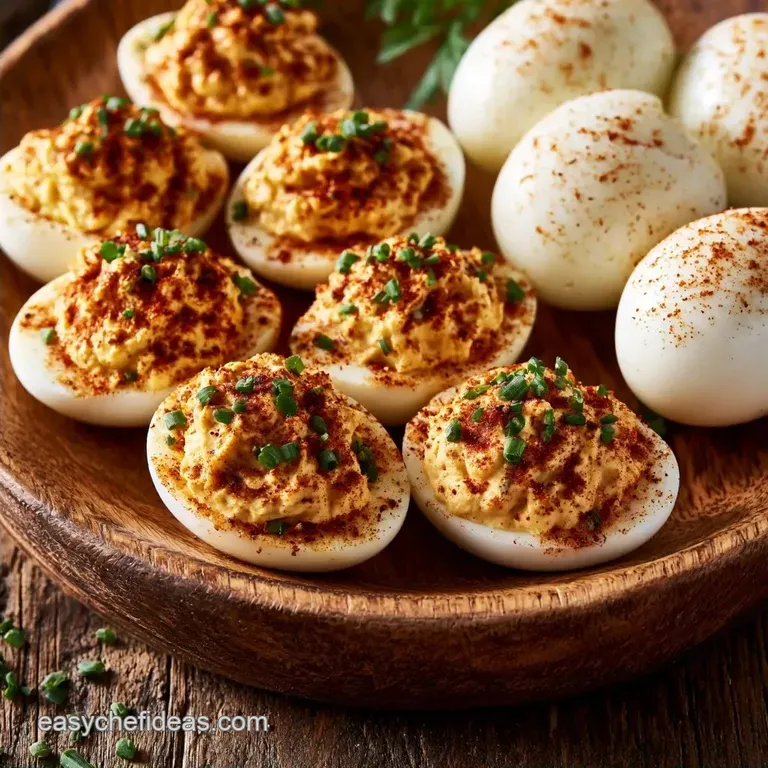
Hard boiled eggs show up on kitchen counters for a reason—they are a compact, high-protein staple that works just as well for a quick breakfast as they do for a formal holiday appetizer.
Getting the texture right requires specific timing to ensure the whites stay tender while the centers reach your preferred level of firmness.
This collection focuses on the essential methods for consistent results every time you boil a pot. Whether you need an easy-peel snack for meal prep or a batch of deviled eggs for a crowd, these guides remove the guesswork from the process.
The temperature of the water and the duration of the boil directly impact how easily the shell separates from the white. These foundational guides provide clear timing for different yolk textures, ensuring you never end up with a rubbery exterior or a dry, chalky center.
Comprehensive cooking reference that helps you determine the exact boiling time needed for soft, medium, or firm yolks based on your specific meal needs.
precise timing chartUsing pre-cooked eggs as a base for appetizers simplifies hosting and makes for efficient weeknight meal planning. These preparations highlight the versatility of eggs, moving from a plain salted snack to a seasoned, filling bite suitable for any gathering.
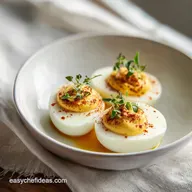
Traditional party appetizer that uses a smooth yolk filling seasoned with tangy ingredients, making it a reliable choice for holiday gatherings or simple snacks.
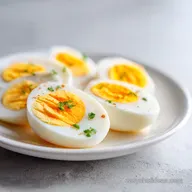
creamy yolk fillingFoundational guide for achieving tender whites and silky golden centers using a timed stovetop method that ensures the eggs are easy to peel every time.
easy-peel technique| # | Recipes | Best For | Time | Difficulty | Pairs Best With | Style |
|---|---|---|---|---|---|---|
| 1 | How To Boil Eggs for Texture | custom yolk firmness | 25 min | Easy | avocado toast | timing guide |
| 2 | Deviled Eggs Recipe | party appetizers | 32 min | Easy | crisp vegetable platters | creamy filling |
| 3 | Hard Boiled Eggs in 25 Minutes | high-protein snacks | 25 min | Easy | green salads | easy-peel |
Discover more curated recipe collections
Explore more recipe collections →