Skinny Slow Cooker Kung Pao Chicken: Umami Masterpiece
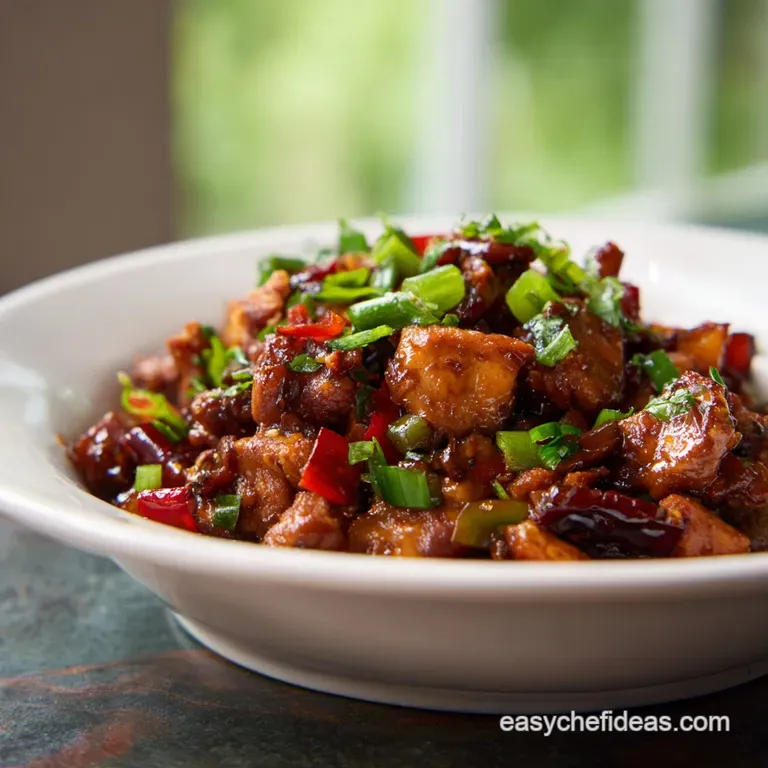
- Time: Active 15 minutes, Passive 3 hours, Total 3 hours 15 mins
- Flavor/Texture Hook: Silky umami sauce with a nutty, toasted peanut crunch.
- Perfect for: High protein meal prep or a vibrant, low stress weeknight dinner.
- Why This Skinny Slow Cooker Kung Pao Chicken Wins Weeknights
- The Architecture of a Low Calorie Glaze
- Component Analysis
- Key Metrics for a Successful Low Calorie Slow Cooked Meal
- Essential Tools for Achieving the Perfect Slow Cooker Texture
- Mastering the Layered Technique for Velvety Sauce and Tender Meat
- Troubleshooting Common Issues with Low-Fat Slow Cooker Sauces
- Customizing Your Heat Levels and Vegetable Medley Varieties
- Debunking Slow Cooker Myths
- Storing and Reheating Your Healthy Kung Pao Chicken Prep
- Plating Ideas to Complement the Nutty and Spiced Aromatics
- High in Sodium
- Recipe FAQs
- 📝 Recipe Card
Why This Skinny Slow Cooker Kung Pao Chicken Wins Weeknights
The first time I tried to make a "light" version of Chinese takeout at home, it was a disaster. I ended up with a watery, gray mess that tasted more like boiled sadness than the spicy, punchy dish I craved.
But then, I caught the aroma of toasted sesame oil and scorched dried chilis from a local stall, and I realized what I was missing: layers. You can't just throw everything in a pot and hope for the best; you have to treat the slow cooker like a flavor building tool.
Now, when I lift the lid of my crockpot, the kitchen fills with that sharp, vinegary "tang" that makes your mouth water instantly. The zucchini holds its shape with a slight snap, and the chicken is so tender it practically melts, coated in a sauce that has moved from thin liquid to a thick, velvety glaze.
It’s the kind of meal that nourishes your body without making you feel like you're "on a diet," proving that community favorites can be healthy and incredibly satisfying at the same time.
We've all been there staring at a takeout menu, knowing the "healthy" options are usually bland steamed broccoli. This recipe changes that narrative. We are using the gentle, consistent heat of the slow cooker to infuse every fiber of the chicken with ginger, garlic, and the subtle, smoky hum of Szechuan chilis.
It's a dish that celebrates the diversity of textures, from the "shatter" of a roasted peanut to the silky glide of a well emulsified sauce.
The Architecture of a Low Calorie Glaze
- Enzymatic Tenderization: The rice vinegar contains acetic acid which gently breaks down the lean protein fibers during the long simmer, ensuring the chicken thighs never turn "woody" or dry.
- Starch Gelatinization: Adding the cornstarch slurry only at the final 30 minute mark allows the starch granules to swell and burst in a over high heat environment, creating a glossy, translucent finish rather than a chalky one.
- Maillard Mimicry: Using hoisin and honey provides complex sugars that undergo a slow motion caramelization, mimicking the deep, savory crust usually achieved in a over high heat wok.
- Capsaicin Infusion: The low and slow heat extracts the fat soluble capsaicin from the dried chilis, distributing a consistent, glowing warmth throughout the entire pot rather than localized "heat bombs."
| Thickness of Chicken | Target Internal Temp | Rest Time | Visual Finish |
|---|---|---|---|
| 1 inch cubes | 165°F (74°C) | 5 minutes | Opaque and glistening |
| 1.5 inch chunks | 165°F (74°C) | 8 minutes | Fibers easily pull apart |
| Shredded style | 175°F (79°C) | 10 minutes | Matte finish, highly absorbent |
Choosing the right cut is paramount for the slow cooker environment. While many people reach for breasts to save calories, chicken thighs are actually the hero here. They contain enough connective tissue to stay juicy during a three hour braise, whereas breasts often turn into something resembling damp cardboard.
The tiny bit of extra fat in the thigh provides a much better "mouthfeel," which is a fancy way of saying it feels more indulgent than it actually is.
Component Analysis
| Ingredient | Science Role | Pro Secret |
|---|---|---|
| Low sodium Soy Sauce | Primary Umami Source | Use "shoyu" for a sweeter, more fermented depth than standard table soy. |
| Dried Szechuan Chilis | Aromatic Heat | Toast them in a dry pan for 30 seconds before adding to the pot to unlock smoky oils. |
| Fresh Grated Ginger | Protease Enzyme | Freeze the ginger root first; it grates into a fine snow that dissolves perfectly into the sauce. |
| Rice Vinegar | pH Balancer | Adds "brightness" that cuts through the saltiness of the hoisin and soy. |
Using high-quality aromatics is what separates a "good" home cooked meal from one that tastes like it came from a professional kitchen. When you grate that fresh ginger, you're releasing volatile oils that simply don't exist in the powdered version.
It's about respecting the ingredients and the culture they represent, bringing a sense of nourish ment to your table that feels intentional.
Similar to the technique I use in my Crockpot Tuscan Chicken recipe, we are relying on a slow, gentle heat to meld these ingredients together. In that dish, we use cream and sun dried tomatoes; here, we are using the natural sugars in honey and the fermented depth of hoisin to create that same level of "cling" on the meat.
Key Metrics for a Successful Low Calorie Slow Cooked Meal
To get this dish exactly right, you'll need the following quantities on hand. Don't be tempted to skip the zucchini or the bell pepper; they provide the volume that makes this meal feel substantial without adding heavy carbohydrates.
- 1.5 lbs boneless skinless chicken thighs Why this? Stays succulent during the 3 hour simmer.
- 1 large red bell pepper Why this? Adds sweetness and a vibrant color contrast.
- 1 medium zucchini Why this? Absorbs the sauce beautifully while adding fiber.
- 3 cloves garlic, minced
- 1 tablespoon fresh ginger, grated
- 4 dried red Szechuan chilis Why this? Provides authentic, smoky heat without being overwhelming.
- 1/3 cup low sodium soy sauce
- 2 tablespoons rice vinegar
- 1 tablespoon honey
- 1 tablespoon hoisin sauce
- 1 tablespoon sesame oil
- 2 tablespoons cornstarch
- 2 tablespoons cold water
- 1/4 cup dry roasted unsalted peanuts
- 2 green onions, thinly sliced
For those looking to swap ingredients based on what's in the pantry, refer to the table below. Just remember that substitutions can shift the flavor profile for instance, using lime juice instead of rice vinegar will lean the dish toward a more Thai inspired citrus note.
| Original Ingredient | Substitute | Why It Works |
|---|---|---|
| Chicken Thighs | Extra Firm Tofu | Absorbs sauce well. Note: Reduce cook time by 1 hour to prevent rubbery texture. |
| Hoisin Sauce | Miso Paste + 1 tsp Sugar | Provides that same fermented umami depth and thick consistency. |
| Peanuts | Toasted Cashews | Offers a creamier crunch and a sweeter, more buttery finish. |
If you find yourself frequently using your slow cooker for international flavors, you might also appreciate the deep, savory profile of a Slow Cooker Bolognese Sauce recipe. While the flavor profiles are worlds apart, the principle of building a "base" of aromatics remains the same across both Italian and Chinese cuisines.
Essential Tools for Achieving the Perfect Slow Cooker Texture
You don't need a kitchen full of gadgets, but a few specific items make this recipe much smoother. I personally use a 6 quart programmable slow cooker, which is the "Goldilocks" size not too big that the sauce evaporates, and not too small that the vegetables get steamed into a mushy pile.
- Slow Cooker (4-6 quart): A larger pot (7-8 quart) may cook the sauce too fast, leading to scorching.
- Microplane Grater: This is the best way to get that ginger and garlic into a paste like consistency so it disappears into the sauce.
- Small Whisk: Essential for making the cornstarch slurry; you don't want any white lumps in your final glaze.
- Chef's Knife: To get those clean, 1 inch squares of bell pepper and zucchini.
Chef's Tip: If your slow cooker has a "brown" or "saute" function, use it to sear the chicken for 2 minutes before switching to the slow cook setting. It adds a "roastiness" that is usually missing from crockpot meals.
If you don't have that setting, a quick pan sear on the stove works wonders, but it's not strictly necessary for the "skinny" version!
Mastering the Layered Technique for Velvety Sauce and Tender Meat
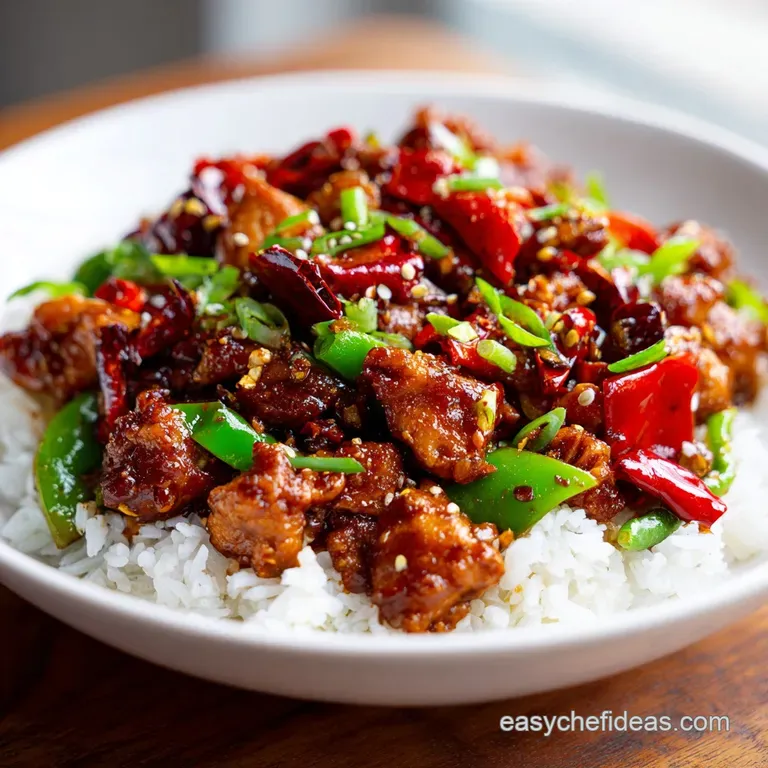
- Prep the Chicken. Pat your 1.5 lbs of chicken thighs dry with a paper towel before cubing into 1 inch pieces. Note: Removing surface moisture ensures the sauce clings better to the meat rather than sliding off.
- Combine the Aromatics. Place the chicken in the slow cooker and toss with the 3 minced garlic cloves and 1 tablespoon of grated ginger.
- Whisk the Sauce. In a small bowl, whisk together 1/3 cup low sodium soy sauce, 2 tablespoons rice vinegar, 1 tablespoon honey, 1 tablespoon hoisin, and 1 tablespoon sesame oil until the honey is fully dissolved.
- The Chili Infusion. Drop the 4 dried Szechuan chilis into the sauce. Note: Leave them whole for a mild heat; snip them in half if you want the seeds to release an "aggressive" spice.
- Assemble the Base. Pour the sauce over the chicken and stir to coat. Add the chopped red bell pepper on top.
- The First Simmer. Cover and cook on LOW for 2 hours 30 mins. Wait until the chicken is tender but not falling apart.
- Add the Zucchini. Fold in the zucchini half moons. Note: We add these late so they maintain a "snappy" texture and don't turn into mush.
- The Slurry Transformation. Mix 2 tablespoons cornstarch with 2 tablespoons cold water. Stir this into the bubbling liquid.
- The Glossy Finish. Cover and cook for an additional 30 minutes on HIGH. Watch for the sauce to turn from murky to a brilliant, "velvety" transparency.
- Final Garnish. Just before serving, stir in the 1/4 cup peanuts and top with sliced green onions. Listen for the "sizzle" of the fresh onions hitting the hot sauce.
Troubleshooting Common Issues with low-fat Slow Cooker Sauces
One of the biggest hurdles with "skinny" recipes is the lack of fat to carry flavor and provide texture. In this version, we use cornstarch and the natural gelatin from the chicken thighs to compensate. However, things can still go sideways if the heat is too high or the vegetables release too much water.
Why is my sauce too watery?
This usually happens if the zucchini was particularly large or if the lid was opened too many times, allowing steam to condense and fall back into the pot. Zucchini is roughly 95% water, and as it cooks, it "weeps" into the sauce.
To fix this, simply remove the lid for the final 20 minutes of cooking on the HIGH setting to allow for evaporation.
Why does the chicken feel "stringy"?
If the chicken feels tough or stringy, it was likely cooked on the HIGH setting for too long. Lean proteins in the slow cooker prefer the "low and slow" approach. High heat can cause the protein fibers to contract too quickly, squeezing out all the moisture before the connective tissue has a chance to break down.
| Problem | Root Cause | Solution |
|---|---|---|
| Bland Sauce | Insufficient "blooming" of aromatics | Stir in a teaspoon of chili garlic sauce or an extra splash of rice vinegar at the end. |
| Mushy Vegetables | Added too early in the cycle | Follow the "staggered" method: Peppers at the start, zucchini at the 2.5 hour mark. |
| Excessive Salt | Standard soy sauce used instead of low sodium | Balance with a teaspoon of honey or a squeeze of fresh lime juice. |
Common Mistakes Checklist
- ✓ Don't skip the Pat Dry: Wet chicken creates a "steam" environment that dilutes the umami of the sauce.
- ✓ Cold water for the Slurry: Never use warm water for cornstarch; it will clump instantly and ruin the silky texture.
- ✓ Avoid the "Warm" Setting: Don't leave the chicken on the "warm" setting for more than an hour, or the zucchini will lose its structural integrity.
- ✓ Whole Chilis for Safety: If cooking for kids or spice sensitive guests, keep the chilis whole so they are easy to fish out before serving.
- ✓ Peanuts at the end: Adding peanuts at the start will make them soft and "boiled." Keep them for the final 2 minutes for a proper "shatter" crunch.
Customizing Your Heat Levels and Vegetable Medley Varieties
Scaling this recipe is fairly straightforward, though there are a few "physics" rules to keep in mind when you're doubling the batch for a big community gathering or meal prepping for the whole week.
Scaling Down (½ Recipe) If you're cooking for one or two, you can easily halve the ingredients. Use a smaller 2 or 3 quart slow cooker if possible. If you only have a large one, reduce the cooking time by about 20% (around 2 hours on low), as the shallow liquid will heat up and evaporate much faster.
Scaling Up (2x Recipe) When doubling, do not double the liquid 1:1. Only increase the soy sauce and vinegar by 1.5x. Slow cookers are incredibly efficient at retaining moisture, and doubling the liquid often results in a "soup" rather than a glaze.
For the spices and aromatics (garlic, ginger, chilis), feel free to go the full 2x to keep the flavor profile bold.
| Factor | Premium Choice | Budget Shortcut | Flavor Impact |
|---|---|---|---|
| Protein | Organic Thighs | Bulk Frozen Thighs | Premium is slightly more tender; Budget needs extra trimming. |
| Aromatics | Fresh Ginger Root | Jarred Minced Ginger | Fresh is "sharper"; Jarred is more "mellow" and salty. |
| Crunch | Marcona Almonds | Unsalted Peanuts | Almonds add a luxury buttery note; Peanuts provide traditional earthiness. |
Debunking Slow Cooker Myths
Myth: You must brown the meat for it to be safe. This is entirely false. While browning (the Maillard reaction) adds a layer of complex flavor, it isn't necessary for food safety. The slow cooker will reach temperatures well above the safety threshold to kill any bacteria.
In this "skinny" version, skipping the oil heavy sear actually helps us keep the calorie count lower without sacrificing the integrity of the dish.
Myth: Dried chilis will make the dish "blow your head off" spicy. Actually, dried Szechuan chilis are surprisingly mild if left whole. The heat is concentrated in the seeds and the inner membranes.
By adding them whole to the slow cooker, you get a beautiful floral, smoky aroma and a very manageable "glow" rather than an intense burn. It’s about the culture of flavor, not just the heat.
Storing and Reheating Your Healthy Kung Pao Chicken Prep
- Fridge
- Store in an airtight glass container for up to 4 days. The sauce will thicken into a jelly like consistency when cold this is normal gelatin from the chicken!
- Freezer
- You can freeze this for up to 3 months. However, be aware that zucchini can become slightly softer upon thawing.
- Reheating
- Use a skillet over medium heat with a splash of water or chicken broth to loosen the sauce. Avoid the microwave if possible, as it can turn the chicken "rubbery," but if you must, use 30 second bursts at 70% power.
Zero Waste Tips Don't throw away those green onion roots! Place them in a small jar of water on your windowsill, and they will regrow in about a week. Also, if you have leftover sauce but no chicken, it makes an incredible base for a quick cold noodle salad the next day.
Just toss it with some whole grain spaghetti or rice noodles and a handful of shredded cabbage.
Plating Ideas to Complement the Nutty and Spiced Aromatics
- Traditional
- Serve over a bed of fluffy jasmine rice. The grains act like tiny sponges for that "velvety" sauce.
- Low Carb
- Cauliflower rice is a fantastic partner here. Because our sauce is so flavorful, you won't even notice the cauliflower's neutral profile.
- The Crunch Factor
- I like to add a side of quick pickled cucumbers (just rice vinegar, a pinch of sugar, and sesame seeds) to provide a cold, acidic contrast to the warm, spiced chicken.
The beauty of this skinny slow cooker kung pao chicken is that it brings people together. It’s a dish that respects the traditional flavors of Szechuan cooking while adapting to a modern, health conscious lifestyle.
Whether you're serving it to your family on a rainy Tuesday or packing it for a week of nutritious lunches, it's a recipe that truly nourishes the soul and the body. Enjoy the process, and don't be afraid to let those chilis linger a little longer for that extra smoky "hum."
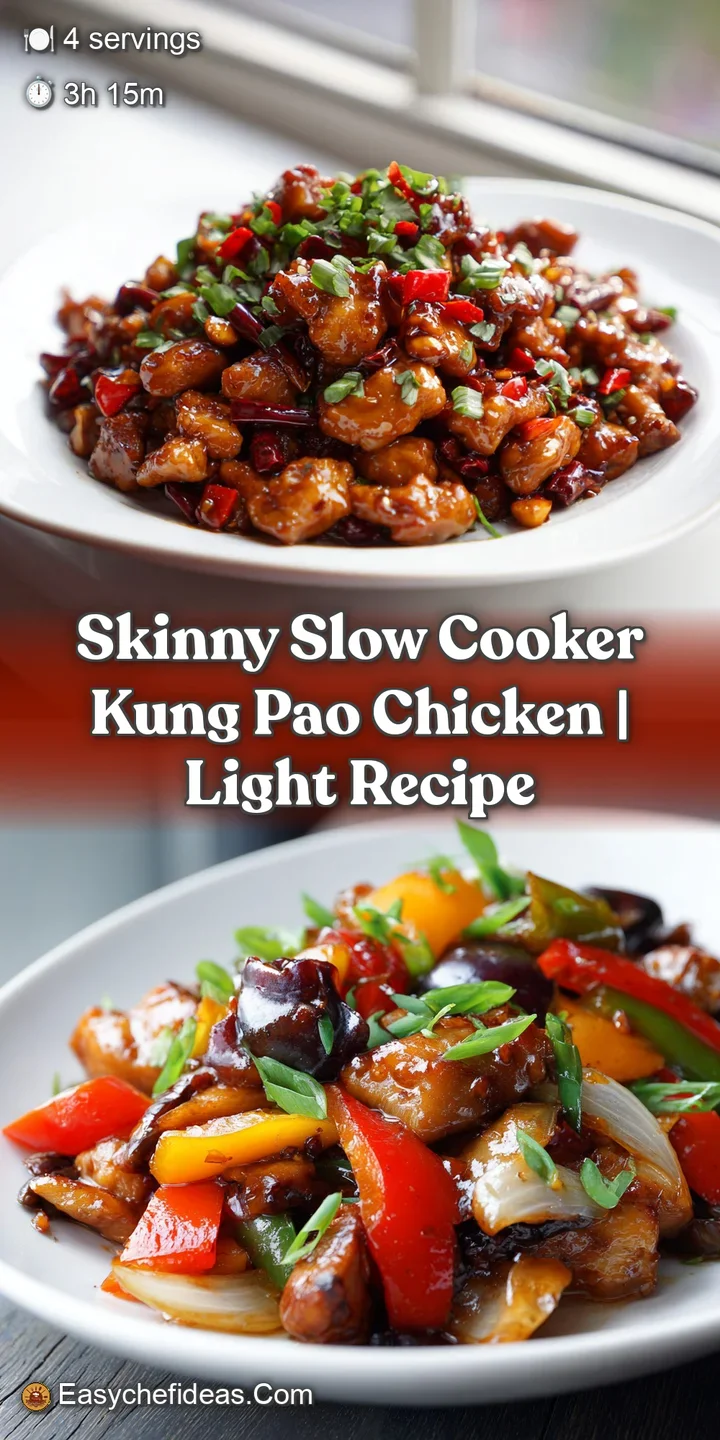
High in Sodium
845 mg mg of sodium per serving (37% % of daily value)
The American Heart Association recommends limiting sodium intake to no more than 2,300mg per day for optimal heart health.
Tips to Reduce Sodium in Your Szechuan Chicken
-
Dilute Soy Sauce-25%
Soy sauce is a major sodium contributor. Use half the amount called for (1/6 cup) and replace the other half with water or low-sodium chicken broth to reduce sodium significantly.
-
Low-Sodium Alternatives-20%
Opt for low-sodium hoisin sauce and ensure the soy sauce used is labeled "low-sodium" to decrease the overall sodium content.
-
Reduce Hoisin Sauce-15%
Hoisin sauce is another key source of sodium in the recipe. Reduce the amount used by half (1/2 tablespoon), and add a touch more honey and rice vinegar to compensate for flavor.
-
Boost Flavor Naturally
Enhance the dish's flavor by increasing the amount of fresh ginger, garlic, and Szechuan chilis. A squeeze of fresh lemon or lime juice at the end can also brighten the flavors without adding sodium.
-
Herbs and Spices
Experiment with sodium free herbs and spices to enhance the flavor of your dish. Consider adding white pepper, coriander, star anise, or fennel seed.
Recipe FAQs
Can I substitute chicken breasts for the thighs to lower the fat content further?
No, stick with chicken thighs for best results. Chicken breasts tend to dry out significantly during the long, low-temperature cooking cycle of the slow cooker.
How to thicken the sauce if it looks too thin after the final 30 minutes?
Mix one teaspoon of cornstarch with one tablespoon of cold water and stir immediately into the hot slow cooker. Cover and cook on HIGH for another 15 minutes until the sauce achieves a glossy, velvety consistency.
How do I prevent the zucchini from becoming mushy in the slow cooker?
Add the zucchini only during the final 30 minutes of cooking time. This staggered addition ensures the vegetable retains some structural integrity and a slight snap, rather than overcooking with the chicken.
Is it true that I must sear the chicken first to lock in the juices?
No, this is a common misconception, especially for slow cooker meals. Searing adds flavor depth, but it is not required for safety or juiciness in this recipe; omitting it keeps the process truly "skinny."
What is the best way to use the leftover sauce if I don't have rice?
Toss the extra sauce with shredded cabbage and noodles for a quick cold salad base. If you are interested in learning more about building deep, rich base flavors for sauces, see how we use the same slow infusion principle in the Filipino Chicken Adobo recipe.
How to adjust the spiciness level based on the dried chili peppers used?
Keep the chilis whole for mild, floral heat, and snip them in half for intense, aggressive spice. The heat compounds are fat-soluble, and low and slow cooking allows the chilis to infuse the entire pot evenly.
Can I skip the cornstarch slurry and still get a thick, glossy sauce?
No, skipping the starch results in a watery sauce. The slow cooker evaporates liquid slowly, and without the cornstarch slurry added at the end, the chicken will simply simmer in thin broth.
Skinny Slow Cooker Kung Pao
Ingredients:
Instructions:
Nutrition Facts:
| Calories | 374 kcal |
|---|---|
| Protein | 38.2 g |
| Fat | 14.8 g |
| Carbs | 19.5 g |
| Fiber | 2.4 g |
| Sugar | 9.2 g |
| Sodium | 845 mg |
