Potsticker Sauce: Bright and Savory
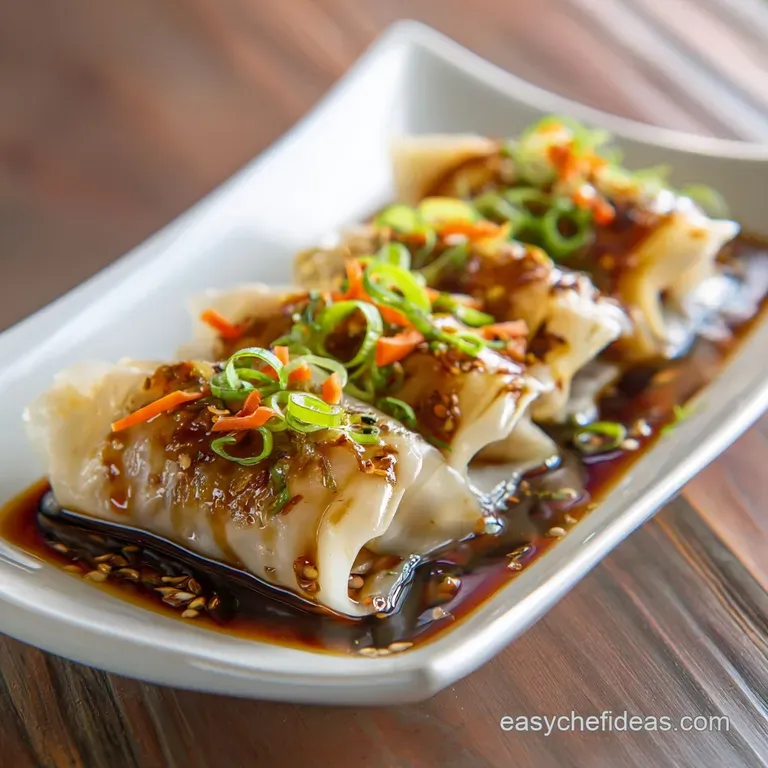
- Time: Active 5 minutes, Passive 10 minutes, Total 15 minutes
- Flavor/Texture Hook: Zesty, umami rich, and velvety
- Perfect for: Weeknight dim sum, potluck appetizers, or healthy meal prep
Crafting the Ultimate Potsticker Sauce at Home
I still remember the first time I sat in a tiny, steam filled shop in the heart of a bustling night market. The air was thick with the scent of toasted sesame and the sharp, inviting tang of vinegar.
Before me sat a plate of golden bottomed dumplings, but it was the small, dark pool of sauce in the ceramic bowl that truly stole the show. It wasn't just salty; it was a complex map of flavors that seemed to wake up every corner of my mouth.
When I finally asked the cook what the secret was, he just pointed to a massive knob of fresh ginger and smiled.
Back in my own kitchen, I spent months trying to replicate that specific magic. I made the mistake of using bottled ginger (too dull) and cheap vinegar (too harsh) before realizing that this sauce is all about the layers.
We aren't just mixing liquids; we are creating a communal experience that honors the diversity of traditional ingredients. This Potsticker Sauce is designed to nourish the spirit as much as the body, turning a quick frozen dumpling into a meal that feels intentional and vibrant.
Trust me, once you see how the fresh aromatics bloom in the soy base, you will never look at a takeout packet the same way again.
Why This Works
Building a great sauce requires an understanding of how different components interact to create a cohesive profile. We aren't just looking for "saltiness" but rather a spectrum of sensations that complement the fatty richness of a pork or vegetable filling.
- Enzymatic Infusion: Fresh ginger contains zingibain, an enzyme that actively breaks down harsh notes in the soy sauce, creating a smoother mouthfeel after just a few minutes of resting.
- Acid Base Equilibrium: The unseasoned rice vinegar provides a clean, sharp contrast to the fermented depth of the soy sauce, preventing the palate from feeling weighed down by sodium.
- Lipid Fragrance: Toasted sesame oil acts as a carrier for the garlic and ginger oils, suspending them in a velvety emulsion that coats the dumpling rather than just running off.
- Sugar Suspension: A small amount of granulated sugar acts as a bridge, softening the blow of the vinegar while highlighting the natural sweetness of the scallions.
| Method | Time | Texture | Best For |
|---|---|---|---|
| Fresh Whisk | 5 mins | Crisp & vibrant | Immediate serving |
| Infused Rest | 15 mins | Velvety & integrated | Deep flavor seekers |
| Warm Steep | 3 mins | Pungent & intense | Cold winter nights |
The difference between a "good" sauce and one that people talk about for weeks often comes down to the quality of the fresh components. When we use fresh garlic and ginger, we are introducing volatile oils that start to dissipate the moment they are cut. By combining them immediately with the liquid base, we trap those flavors, ensuring every dip is a celebration of freshness. This approach is similar to the care we take when making the Crockpot Meatballs recipe where the sauce must be as intentional as the protein it coats.
Component Analysis for Balance
To truly appreciate the diversity of this blend, we have to look at how each ingredient functions on a molecular level. It’s not just about the taste; it’s about the "nourish" factor using ingredients that provide digestive benefits alongside intense flavor.
| Ingredient | Science Role | Pro Secret |
|---|---|---|
| Low Sodium Soy Sauce | Fermented Umami Base | Use "light" soy for higher salt, or "dark" for color and molasses notes |
| Unseasoned Rice Vinegar | Acetic Acid Brightener | Check the label for "unseasoned" to control your own salt/sugar levels |
| Toasted Sesame Oil | Fragrant Lipid | Always add this last to prevent it from overpowering the fresh ginger |
| Fresh Ginger | Pungent Aromatic | Grate into a paste to maximize surface area and juice release |
Beyond these core pillars, the addition of scallions and sesame seeds adds a necessary textural element. Without them, the sauce is just a liquid; with them, it becomes a multi sensory topping that clings to the ridges of a crispy potsticker.
Ingredients and Smart Substitutions
When gathering your items for the Potsticker Sauce, prioritize freshness. The garlic should be firm, not sprouting, and the ginger should have smooth, taut skin. This recipe uses metric measurements to ensure consistency in every batch.
- 1/4 cup low sodium soy sauce
- Substitute: Tamari (for a gluten-free option)
- Why this? Provides the savory backbone without overwhelming the palate with excessive saltiness.
- 2 tbsp unseasoned rice vinegar
- Substitute: Apple cider vinegar with a pinch more sugar
- Why this? Offers a mild, floral acidity that is traditional in East Asian cuisine.
- 1 tsp toasted sesame oil
- Substitute: Roasted peanut oil
- Why this? Delivers an earthy, nutty aroma that defines the "takeout" scent we love.
- 1 tsp fresh ginger, finely grated
- Substitute: 1/4 tsp ground ginger (last resort only)
- Why this? Adds a spicy, clean heat that cuts through the fat of the dumplings.
- 1 clove garlic, pressed into a paste
- Substitute: 1/2 tsp garlic powder
- Why this? Provides a sharp, pungent kick that rounds out the umami of the soy.
- 1 tsp granulated sugar
- Substitute: Honey or maple syrup
- Why this? Balances the acidity of the vinegar and the salt of the soy.
- 1 tbsp scallions, thinly sliced
- Substitute: Chives
- Why this? Adds a fresh, peppery crunch and visual appeal.
- 1 tsp toasted sesame seeds
- Substitute: Black sesame seeds for contrast
- Why this? Contributes a subtle nutty pop and beautiful presentation.
step-by-step Instructions
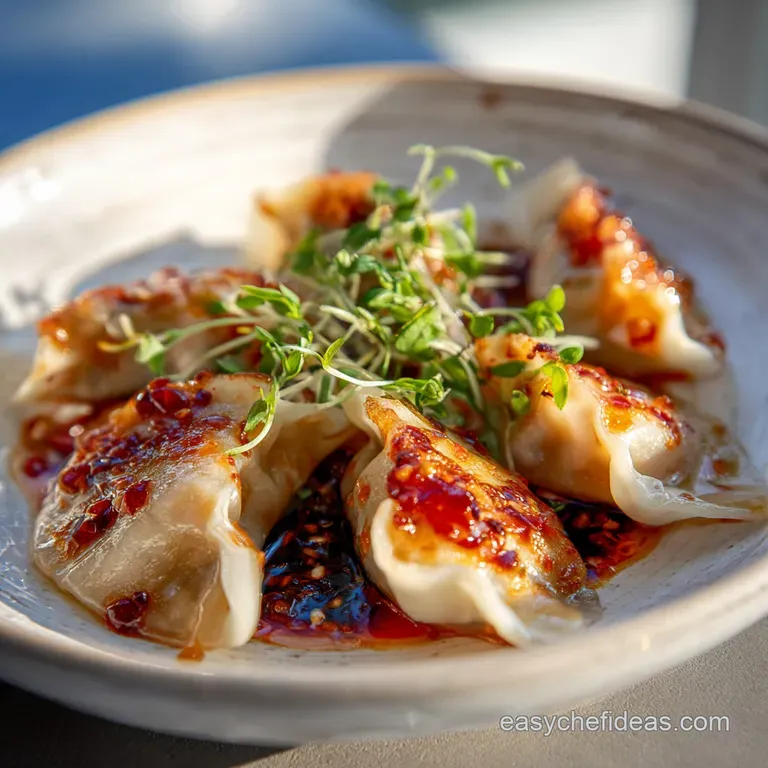
This process is quick, but the order of operations matters. We want to layer the flavors so that the aromatics have time to "bloom" within the liquid without losing their bite.
- Prepare the aromatics. Grate the fresh ginger using a microplane and press the garlic clove into a smooth paste. Note: Creating a paste ensures no one gets a chunky bite of raw garlic.
- Dissolve the sweetener. In a small ceramic bowl, combine the low sodium soy sauce and granulated sugar. Whisk until no granules remain at the bottom.
- Introduce the acidity. Pour in the unseasoned rice vinegar. Whisk briefly to integrate the layers.
- Emulsify the oil. Drizzle in the toasted sesame oil while whisking constantly.
- Fold in the aromatics. Add the garlic paste and grated ginger to the liquid.
- Add the texture. Stir in the thinly sliced scallions and the toasted sesame seeds.
- The Infusion Rest. Let the sauce sit at room temperature for 10 minutes until the flavors smell integrated and mellow.
- Final Adjustment. Taste a small drop. If it's too sharp, add a tiny pinch more sugar; if too flat, a splash more vinegar.
Chef Tip: To get the most juice out of your ginger, freeze the knob before grating. The ice crystals break the cell walls, making it easier to grate and much more potent!
Troubleshooting the Balance
Even with a simple recipe, things can go sideways depending on the brand of soy sauce or the age of your garlic.
Why Your Sauce Tastes Too Sharp
Sometimes the vinegar can feel like a punch to the throat. This usually happens if the sugar hasn't fully dissolved or if you've used a highly concentrated rice vinegar. To fix this, don't just add more soy sauce (which adds salt). Instead, add 1/2 teaspoon of warm water and another tiny pinch of sugar.
This dilutes the acetic acid without changing the flavor profile.
Why the Garlic Overpowers
If you find the raw garlic taste too aggressive, it likely didn't "mellow" in the acid long enough. The vinegar actually "cooks" the garlic slightly, taking away that sulfurous bite. Next time, mix the garlic into the vinegar first and let it sit for 5 minutes before adding the soy sauce.
| Problem | Root Cause | Solution |
|---|---|---|
| Too Salty | Full sodium soy used | Add 1 tsp water and 1/2 tsp rice vinegar |
| Bland Flavor | Old ginger or garlic | Add a pinch of red pepper flakes or more fresh ginger |
| Oily Film | Oil didn't emulsify | Whisk vigorously while slowly dripping the oil in |
Common Mistakes Checklist ✓ Using "seasoned" rice vinegar (it has added salt/sugar that ruins the balance). ✓ Skipping the 10 minute rest (the flavors will stay separate and "choppy"). ✓ Over chopping the scallions until they are bruised and mushy.
✓ Using jarred, pre minced garlic (it has a metallic aftertaste that ruins the sauce). ✓ Forgetting to whisk the sugar completely (you'll get a sweet sludge at the bottom).
Scaling for a Crowd
If you're hosting a dim sum party and serving these alongside the The Crispiest Homemade recipe (it’s a weird combo, but people love crispy things!), you'll need to scale up.
Scaling Down (1-2 People) Simply halve everything. If you don't want to use half a garlic clove, use a very small one or just a pinch of garlic powder. The ratio remains the same, but the resting time can be shortened to 5 minutes.
Scaling Up (8-12 People) When doubling or tripling, be careful with the sesame oil. It is very potent. I recommend using 1.5x the sesame oil even if you double the soy and vinegar. You can always add more, but you can't take it out once that nutty flavor takes over.
- 1. Weight
- 5g of fresh ginger is approximately 1 teaspoon.
- 2. Temperature
- Serve at room temperature (about 21°C) for the best aromatic release.
- 3. Time
- Whisk for exactly 30 seconds to ensure the sugar is fully suspended.
| Servings | Soy Sauce | Rice Vinegar | Ginger | Scallions |
|---|---|---|---|---|
| 4 people | 1/4 cup | 2 tbsp | 1 tsp | 1 tbsp |
| 8 people | 1/2 cup | 1/4 cup | 2 tsp | 2 tbsp |
| 12 people | 3/4 cup | 6 tbsp | 1 tbsp | 3 tbsp |
Flavor Myths
One of the biggest misconceptions is that Potsticker Sauce is just "soy sauce with stuff in it." In reality, the chemistry of the vinegar and aromatics changes the structure of the soy protein, making it less heavy on the tongue.
Another myth is that you must use expensive "artisan" soy sauce. While high-quality soy is lovely, a standard bottle of low sodium Kikkoman works perfectly here because the fresh ginger and garlic are the real stars. We are building layers, not just highlighting one expensive ingredient.
Finally, some people think you can't make this ahead of time. While the scallions will lose their "shatter" and crunch after 24 hours, the liquid base actually gets better as it sits in the fridge. Just add fresh greens right before you serve it.
Storage and Zero Waste
If you have leftovers, don't even think about pouring them down the drain! This liquid is gold.
- Fridge: Store in an airtight glass jar for up to 5 days. The garlic flavor will intensify, so you might need a splash of vinegar to brighten it back up before the second use.
- Freezer: I don't recommend freezing this sauce. The fresh aromatics turn mushy and the oil can separate and become cloudy upon thawing.
- Zero Waste Tip: Use leftover sauce as a marinade for chicken or tofu. The ginger and vinegar act as natural tenderizers. You can also drizzle it over steamed broccoli or toss it with cold noodles for a quick lunch. If you have extra ginger skin, don't toss it simmer it with some lemon for a nourishing tea.
Building these layers of flavor is a way to nourish our bodies and celebrate the diversity of ingredients that have traveled across the globe to our kitchens. Whether you're dipping a handmade dumpling or a quick frozen snack, this sauce makes the moment feel like a true community feast. If you're looking for another way to use these savory skills, try the Slow Cooker Bolognese Sauce recipe for a different kind of deep, rich comfort.
Recipe FAQs
What is potsticker sauce made of?
The core components are soy sauce, rice vinegar, toasted sesame oil, fresh ginger, and garlic. This base creates the essential balance of salty umami, sharp acid, and pungent aromatics required for dipping dumplings.
What kind of sauce to eat with potstickers?
The classic choice is a savory, slightly acidic dipping sauce featuring soy, vinegar, and fresh aromatics. Many recipes also incorporate a touch of sugar to perfectly balance the tang of the vinegar.
What is the potsticker sauce called store-bought?
store-bought equivalents are usually labeled as "Dumpling Dipping Sauce" or "Gyoza Sauce." These bottles often skip the fresh ginger and rely heavily on preservatives, which is why the homemade version tastes brighter.
What dipping sauce do you use for Chinese dumplings?
The most traditional dipping sauce relies on a soy sauce and black vinegar base, usually elevated with ginger and chili oil. If you master the flavor balancing act here, you'll find that technique transfers well to richer sauces like the Swedish Meatball Sauce recipe for totally different pairings.
Can I substitute soy sauce with something else in potsticker sauce?
Yes, tamari is the best direct substitute, especially if you need a gluten-free option. It provides the required fermentation depth, although you might need to slightly adjust the sugar since tamari can sometimes be less salty than traditional soy sauce.
How long should the potsticker sauce rest before serving?
Allow the sauce to rest for at least 10 minutes at room temperature before serving. This resting period allows the volatile oils from the fresh ginger and garlic to infuse the liquid, mellowing any harsh edges.
How to make the sauce thicker for better coating?
Whisk in a cornstarch slurry (equal parts cornstarch and cold water) very slowly over low heat until it achieves the desired consistency. Be cautious, as traditional potsticker sauce is meant to be thin and coat lightly; a thicker texture leans closer to a glaze, similar to what you'd find finishing a Mince Meat Patties recipe.
Perfect Potsticker Sauce Recipe
Ingredients:
Instructions:
Nutrition Facts:
| Calories | 38 calories |
|---|---|
| Protein | 1.8 g |
| Fat | 1.4 g |
| Carbs | 3.3 g |
| Fiber | 0.2 g |
| Sugar | 1.5 g |
| Sodium | 512 mg |
